
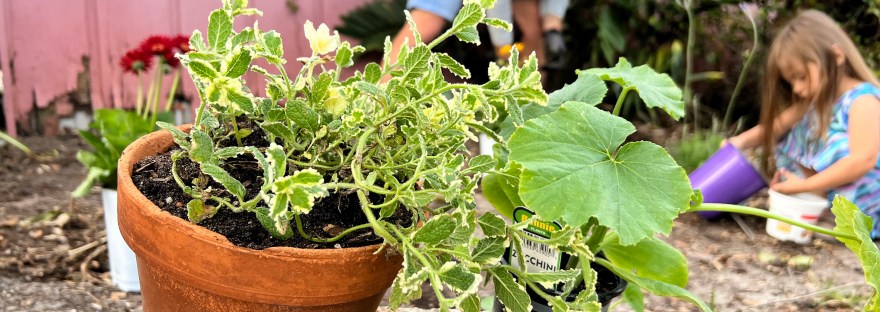
When you think of growing vegetables, what do you see? A raised garden bed? Maybe rows lined with produce? An EarthBox on your patio? We tend to envision this elaborate Pinterest project that never seems to come to fruition. It doesn’t have to be that complicated. You don’t need an acre of land or 4 raised beds to grow your vegetables. Just incorporate them into your landscape!
Think about your landscape. Does it have green foliage in it? Flowering plants? Vining plants? If you answered yes to any of these questions than you most certainly can add vegetables to your landscape! It is a great way to use your landscape for a dual purpose, aesthetics and food. If you live in a deed restricted community, there may be rules against this, so be sure to check with your HOA. Check out how we removed some old landscape and added vegetables to our landscape!
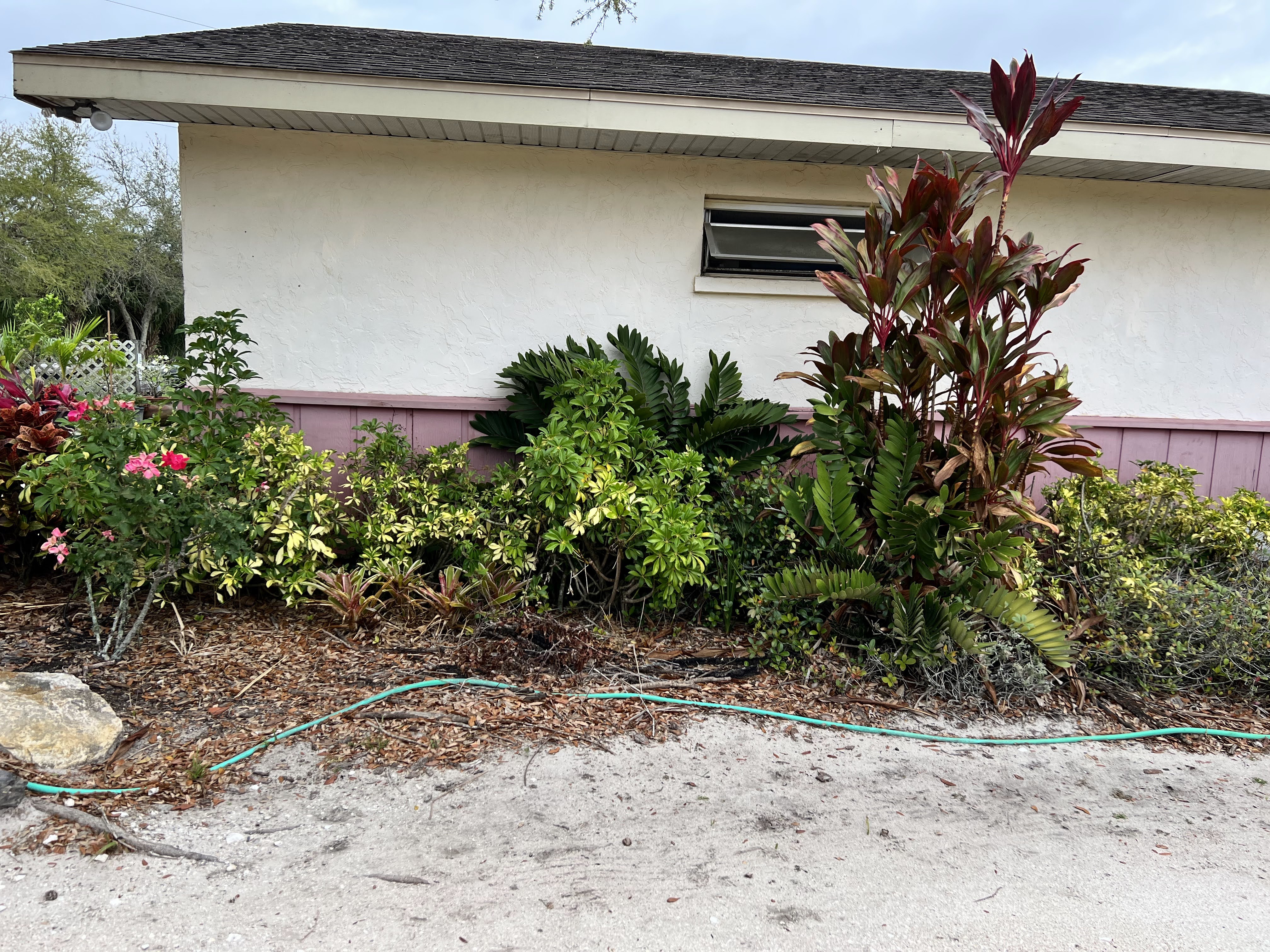
The space we allocated for this project has certainly seen its prime. This landscape is well over 20 years old and needed some refreshing. We figured this would be the perfect space to add some vegetables into our landscape, along with some ornamentals.
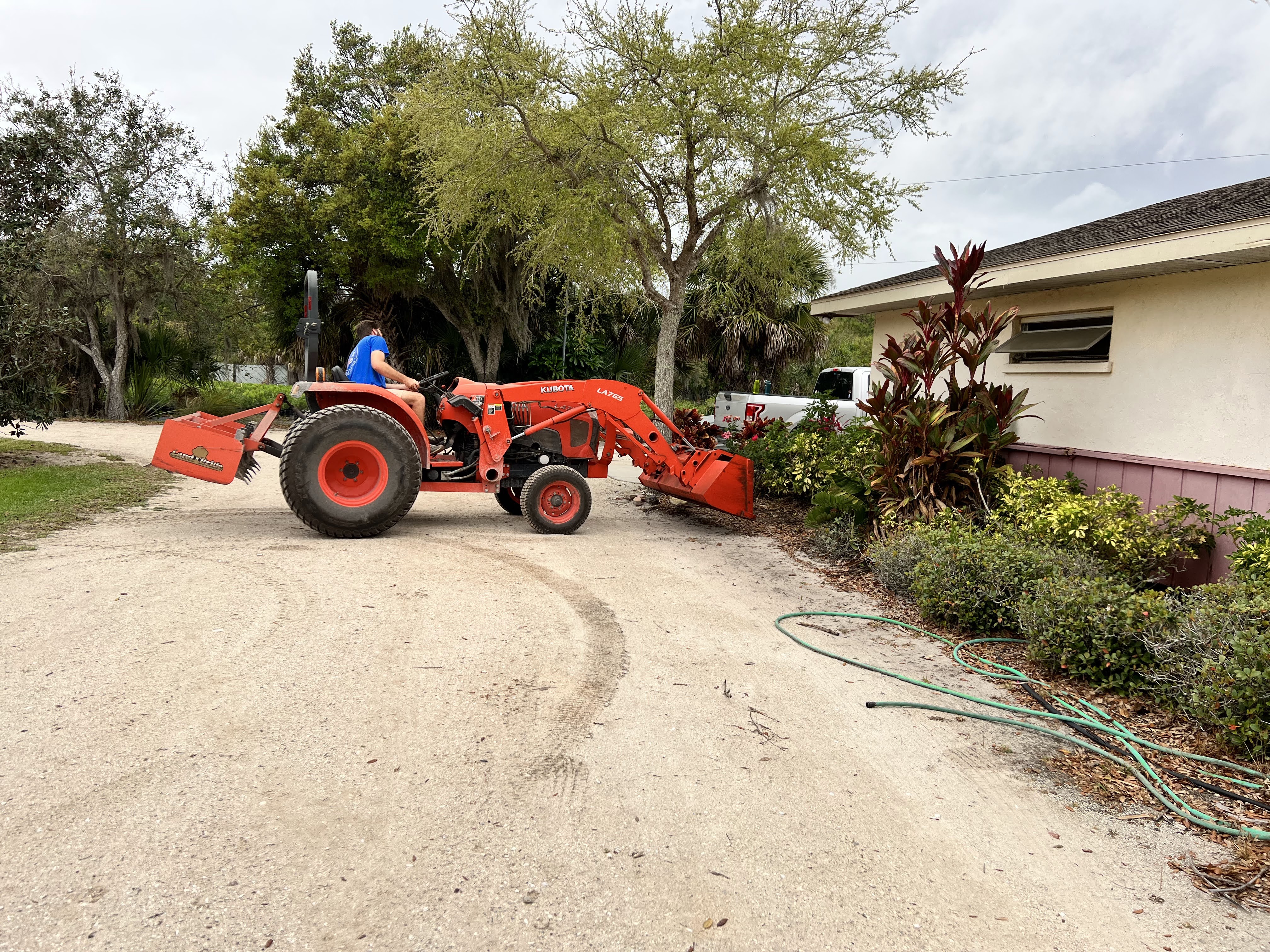
With a landscape this old, we had to bring in the “heavy duty” help! Luckily we have a tractor (and a good driver!) to assist us in the removal of these plants. It certainly sped up our time table. These could have been removed by hand, but with a storm brewing, we were in a hurry!
While John was demoing, Juniper and I headed to our local hardware store to purchase vegetable plants. Nedless to say we walked out with more plants than anticipated, but it actually worked out great!! At 3.5 shes got an eye for good plants. We purchased:
- 1 butternut squash
- 1 summer squash
- 1 zucchini
- 3 peppers- yellow, red, and orange
- 1 Coreopsis
- 1 Lavender
- 1 Gerber Daisy
- 1 pineapple mint
All of that only cost us $50! Next time we will certainly seed out our own vegetables, but we were too excited for this project to wait for seedlings to grow!
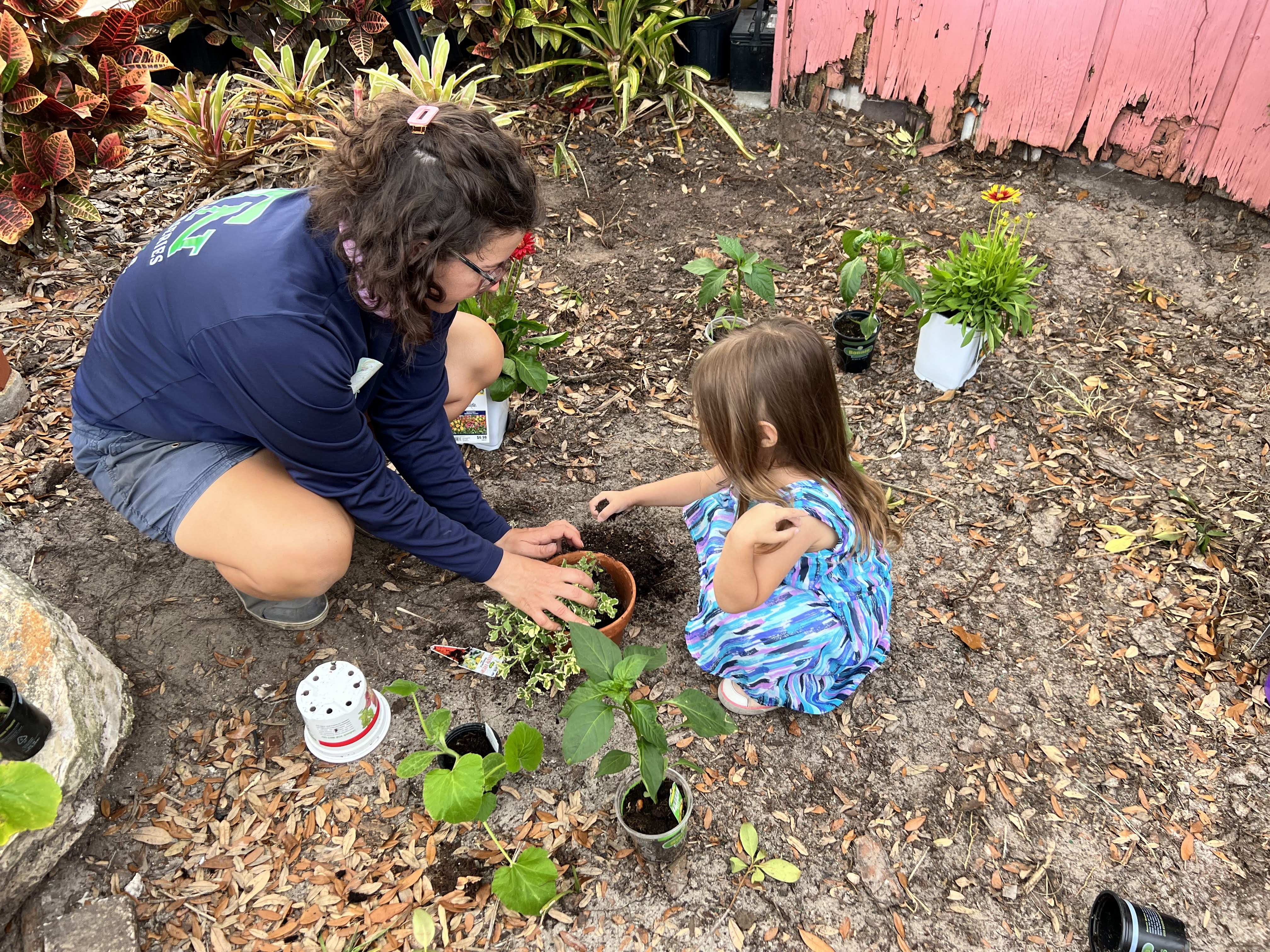
We then had the task of selecting where the plants went and of course, started planting! When planting always make sure to plant flush with the soil, as well as filling any space with soil around your plants to prevent any air gaps. Gaps will cause potential rot to your roots! After all the plants were in the ground, we felt like the space just needed something more. We are a huge fan of mulch, but wanted a more affordable option. Luckily, we have a few pine trees on our property, and BAM! The answer hit us, pine straw! Pine straw is a great, natural mulch that truly looks impressive! Plus, it was free!
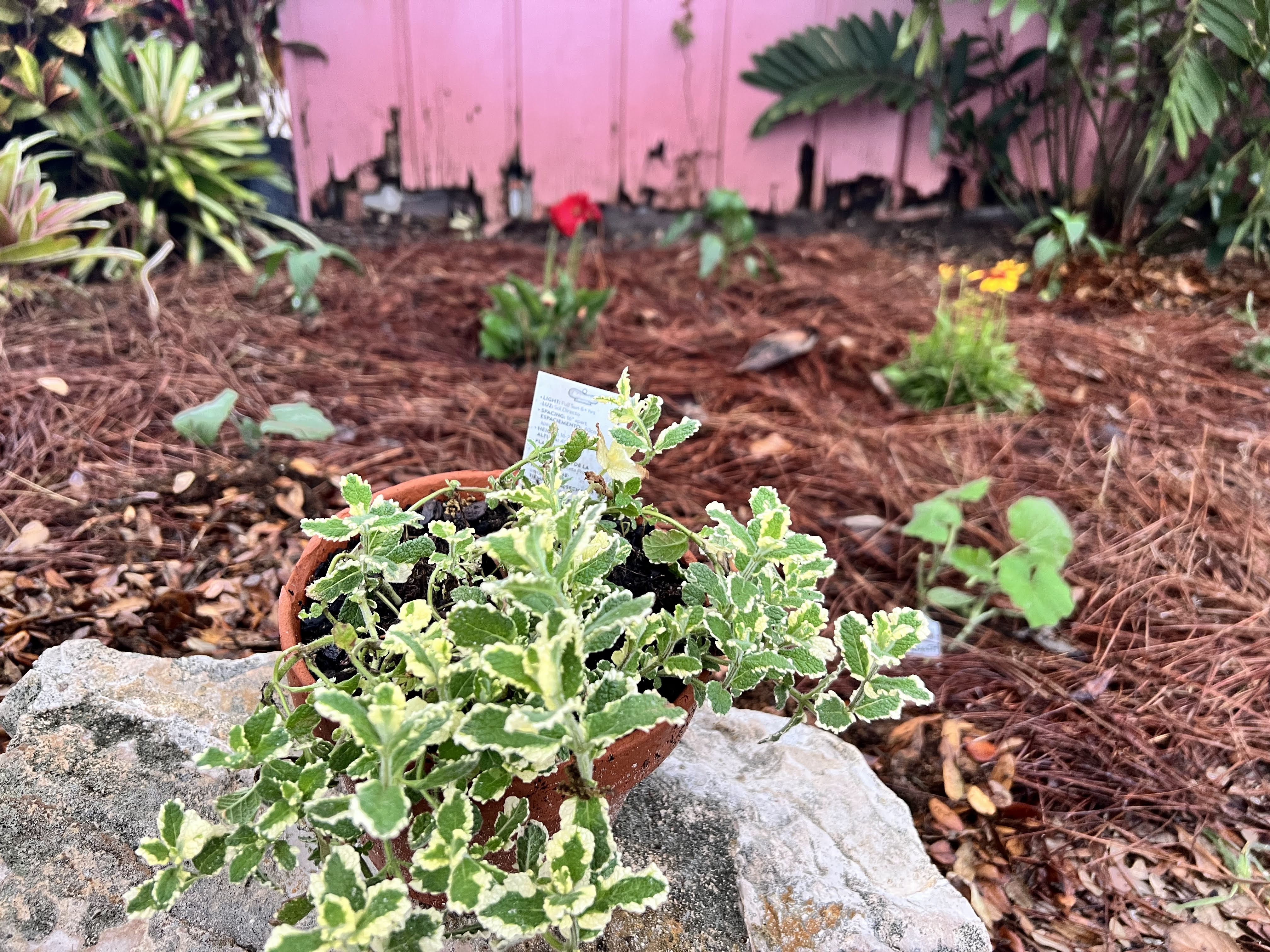
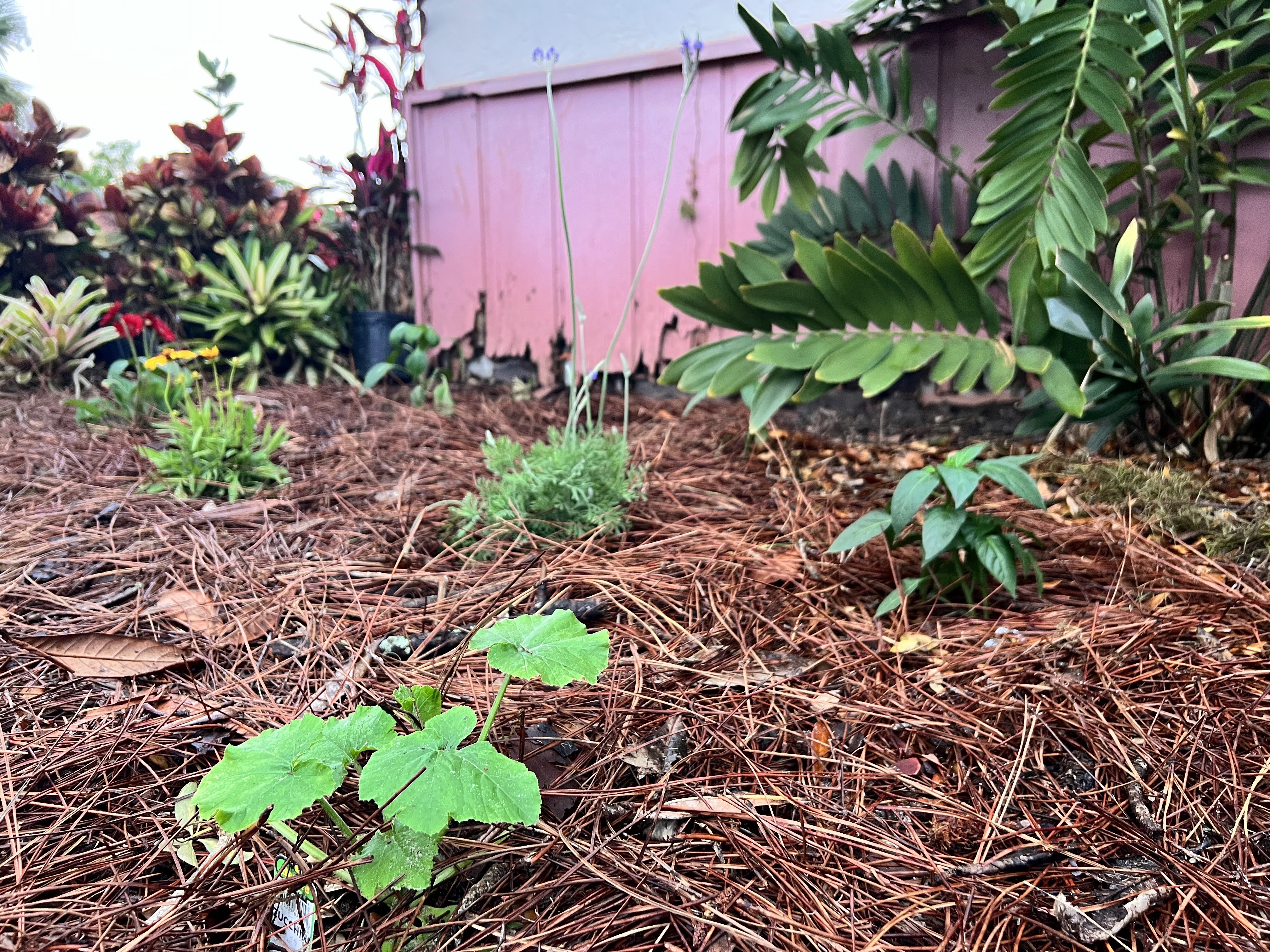
This space certainly needed an upgrade, and not only did we add to the beauty of it, but we also will be able to feed our family with it! Granted, it’s not a large amount of vegetables, but it is a family experience. We check on the plants together, water the garden together, and learn through it. This time is truly valuable and something our daughter looks forward to in the afternoon. It’s as simple as ripping out a few old hedges or plants, planting some vegetables in the space, top dressing with some mulch and ta da! You’ve got yourself a small garden right outside your front door! If you need any gardening tips on when to plant be sure to visit the UF Gardening Guide for more help! We look forward to making some tasty recipes and expanding this garden in the future.

 The Veranda View