
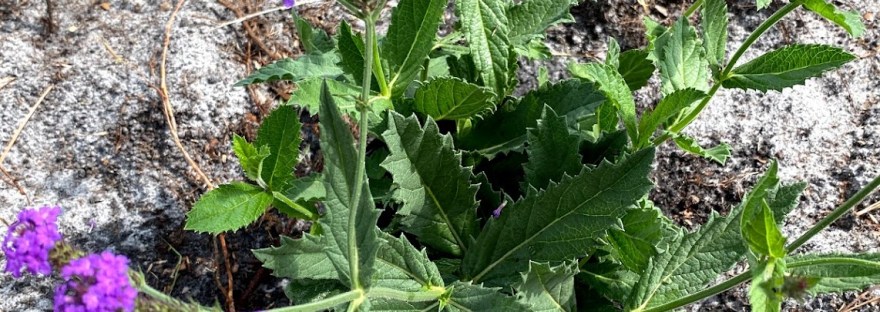
Living in Florida especially the central region often raises the question, is the sand that’s in my yard soil? Should soil only look like what’s in containers from nurseries or from a bag mix? Despite the commercialization of soil and a high-definition photographs making us all see soil as a dark rich composted mixture teaming with nutrients, soil comes in many different compositions and colors. Our native Florida top soil is going to be more sandy naturally because of how our state formed, but if you can find some land that has been primarily undisturbed for the past 50 years, I would bet there is rich loamy soil full of insects and nutrients. Even in areas that have what looks to be beach sand on top typically will have great soil underneath if it has been undisturbed.
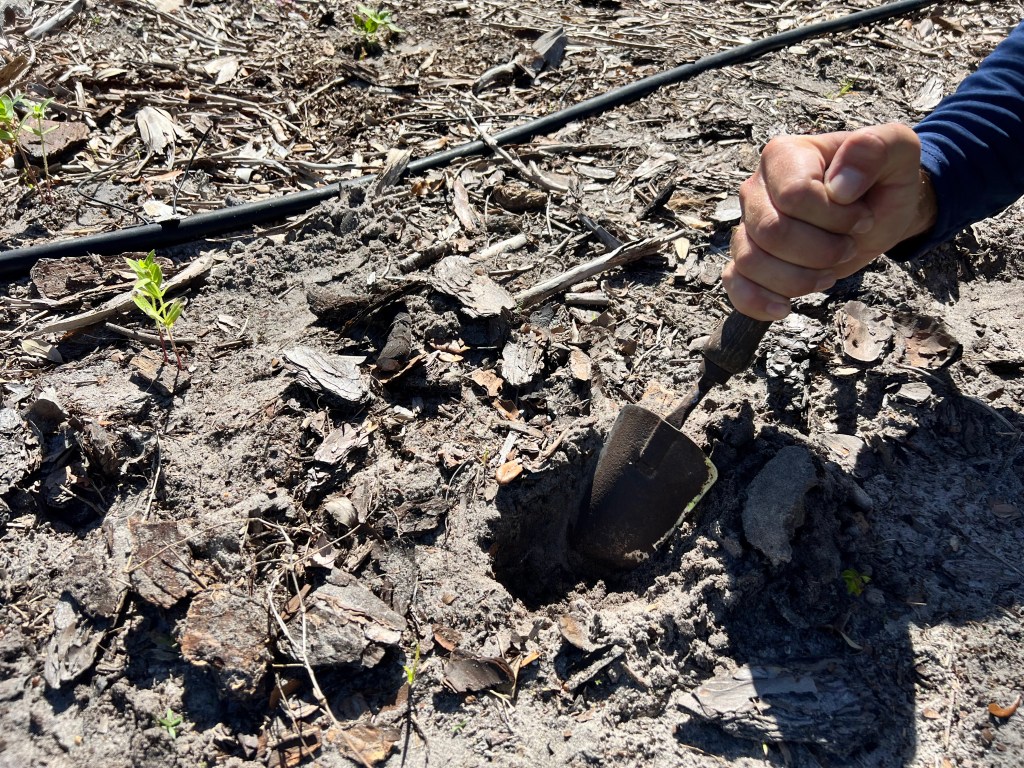
Now for most of us who live in large communities you will find the soil around your home to be very sandy and lacking any dark soil or clays mixed in because most homes built in the last 70 years had a foundation of fill dirt put in place to build the home on. The disruption of the soils in the process of building your homes foundation most likely killed all of the organisms and creepy crawlies living in the soil which create the composition of the soil itself. To break this down think of it like this, soil has a chemical composition which feeds the plants, but the bugs are what create that chemical composition so the soil can then feed the plants. The plants are needed to create an environment for the organisms to live. Plants grow using the suns energy, and when they die that decomposition feeds the organisms. The plants also pull moisture up to the surface of the soil, to create healthy soil. A quick test on soil moisture is to grab a handful and try to make a ball. If you squeeze the soil and water comes out it’s too wet, if it holds its shape, it’s just right, and if the soil falls apart and won’t hold together at all it’s too dry.

Now the big question, if my house was built in the last 70 years and has primarily sandy non nutrient soils what do I do? Am I doomed to buy pallets of garden soil to mix into my yard, must create a massive compost pile and patiently wait months for it to be ready so I can breathe life back into my depleted soils? Those are options you could take however there is an even easier way. Pick the right plant for the right place! If you have very nutrient deficient soils, pick a plant that is low maintenance like Gaillardia, Muhly grass, or Porterweed, most Florida native plants are used to dealing with some harsh soil conditions. Here is the fun part, those tough native plants or Florida friendly plants can handle your harsh soil and as those plants grow and send roots down the process of fixing your soils begins. That plants do a process called wicking; the deep roots adapted to dry soils bring moisture up to the surface! In doing so this creates an environment for microbes and insects to feed and start changing the chemical composition of the soil to a more nutrient rich soil base.
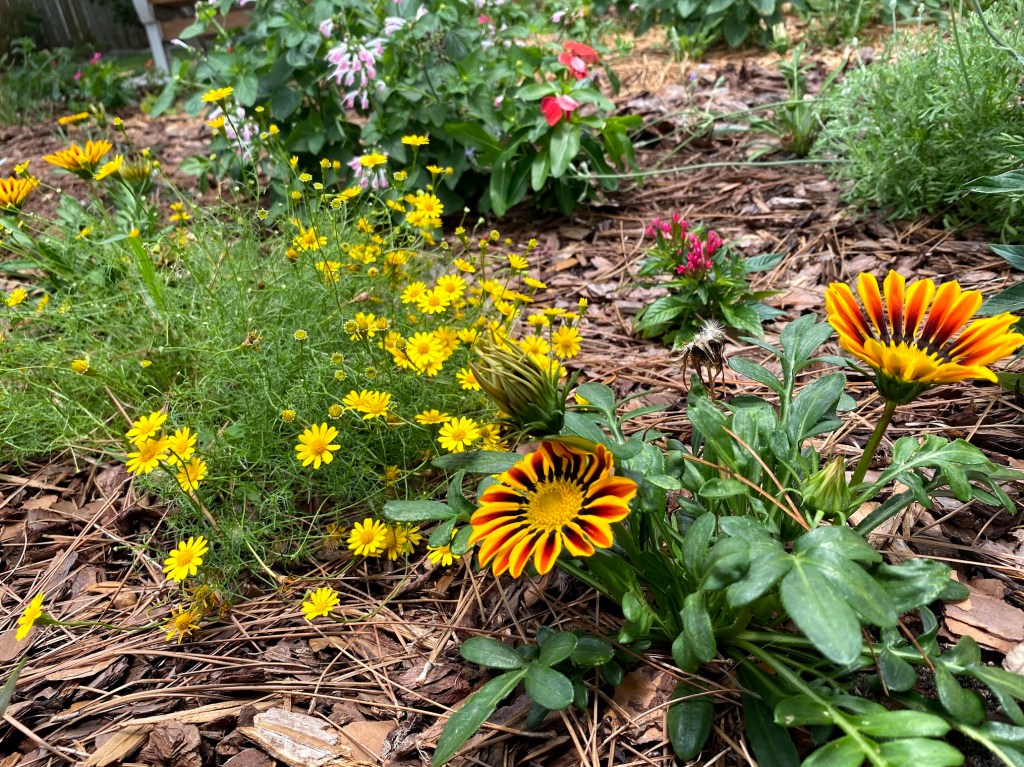
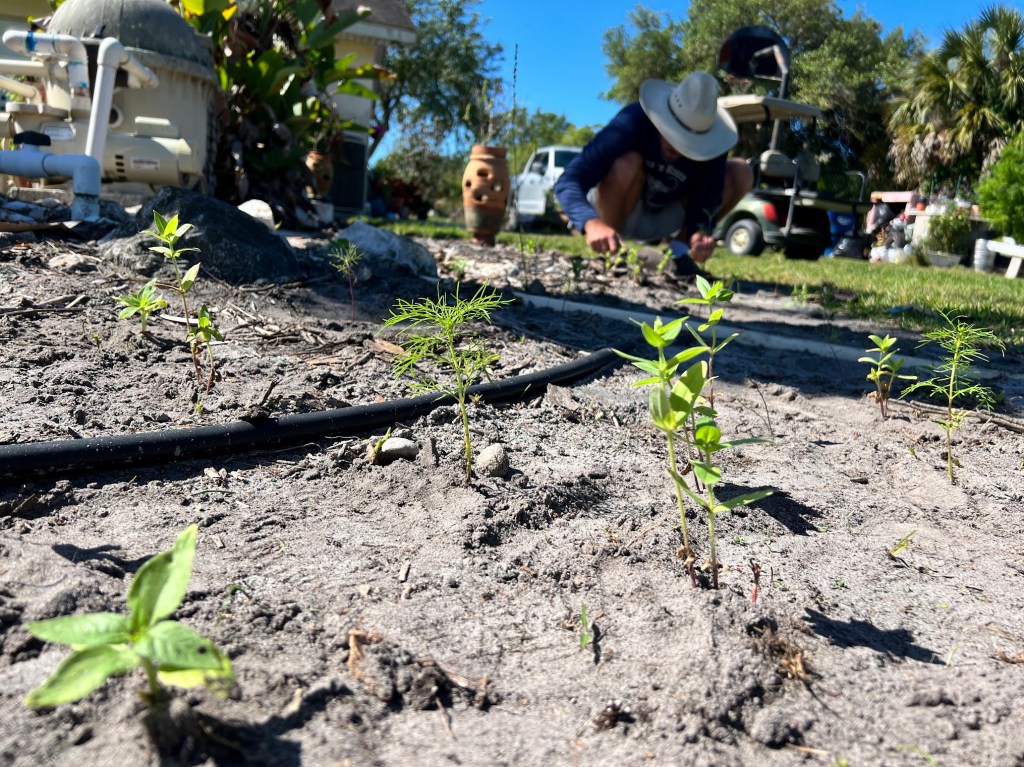
As you put in plants that are hardier and need just a bit of water and mulch to survive the soil will over years begin to hold more moisture, and in turn you can put in new plants that are more exciting but would not have survived the initial dry planting conditions. My favorite part about this process is the experimentation, you will learn if you like clean lines in your garden or everything catawampus, mixed in all different sizes and colors. As you learn what makes your heart flutter in the garden over the first few years of trialing plants you will find not only what you want to keep but what your vision is for the garden and the soil will need less water and additives as time goes on. So, when you get into your garden don’t fear a sandy hole that isn’t a beautiful picture-perfect soil mixture like the commercial shows, pop in a plant, give it some natural mulch, and let the process begin. It’s much less expensive and will improve the health of you and your yard in every way. We have created videos of some plants if you need suggestions, please comment if you want some help on what to do and follow our updates as we showcase the little garden, we planted in some unloved sandy soil that is ready to start over.

 The Veranda View