

Last weekend we received almost 2” of rain in one day, most of which ran off in ditches. This week I have not seen the first drop of rain and everything is turning into a desert. So how can we contain storm water for future use, with inflation on all fronts the last thing we all want to see is our water bill going up. Here are some best practices to get the most from the water we put down in our garden.

Rain barrels help slow water runoff created by roof tops, and in doing so help keep pollutants out of water sheds in surrounding areas. ( Check out more information at http://www.swfwmd.state.fl.us/publications/files/rain_barrels_guide.pdf ) We would recommend you follow the instructions of the rain barrel you buy and if you’re making your own, look up proper instruction on the best way to set up your rain barrel. Important points that stand out are secure barrel mounting, overflow drain lines, and proper screens on the containers for safety and avoid creating a mosquito farm. There are numerous free blue prints on how to set up your own rain barrel system online. Our experience was calling the county utilities department and buying a barrel from them (Rain Barrel Program – Manatee County (mymanatee.org). It was less expensive than buying the online kit, came with everything we needed for a single barrel set up and had instructions.
A 1,000 square Foot rooftop after one inch of rain should capture almost 600 gallons of rain runoff, however all the water is almost never caught. If you have gutters leading to multiple down spouts rather than just one that’s great, so you can have multiple rain barrels around the house. It is noted by multiple sources that we should not use rain water collected from a rooftop on vegetables we will eat, this water could have bacteria in it that is transferable to the food. However all collected water is safe for our ornamental gardens, and I have seen some interesting ideas on using drainage similar to septic lines buried under ground to allow the use of collected rain water in the veggie garden to avoid contact to edibles. If you plan on catching as much water as possible and having a multi rain barrel system check out this next link. ( UF/IFAS has great information about rain barrels here: AEC634/WC297: Rain Barrel Owners: Meeting the Programming Needs of This Unique Extension Audience (ufl.edu) )
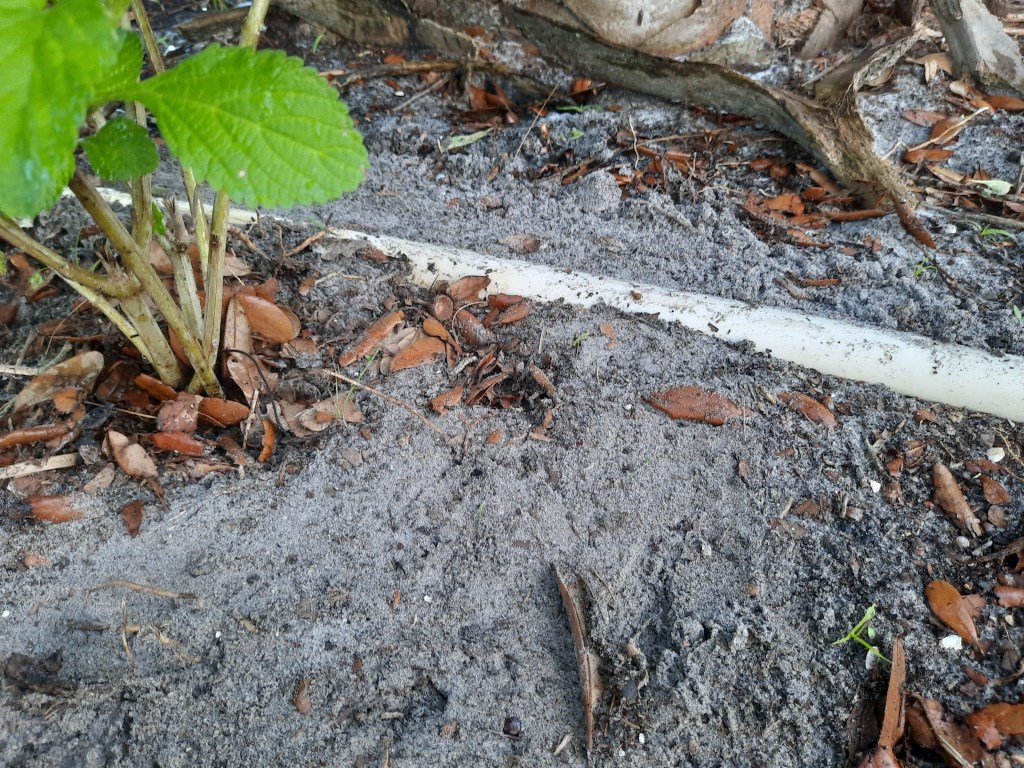
The solution we had to avoid hand watering the whole garden was to use a ball valve that hooked to a PVC line which ran down the hedge that was closest to the rain barrel. We ran the line along the roots of the hedge and drilled ¼” holes in the pipe at the base of each plant. When the yard would dry out, we could turn on the ball valve allowing free colected water to run to the plants for 20 to 30 seconds and then shut it off. The plants closest to the rain barrel received more water than those at the end of the watering line, and the watering line must be level or slope slightly away from the barrel. We are looking into rain barrels for our new house, thinking we might want something larger than a 50-gallon barrel or two and we found upcycling is a great way to avoid additional costs. You would be amazed what gets thrown away, and with small modifications can make an amazing water collector to keep your garden beautiful as well as your water bill low.
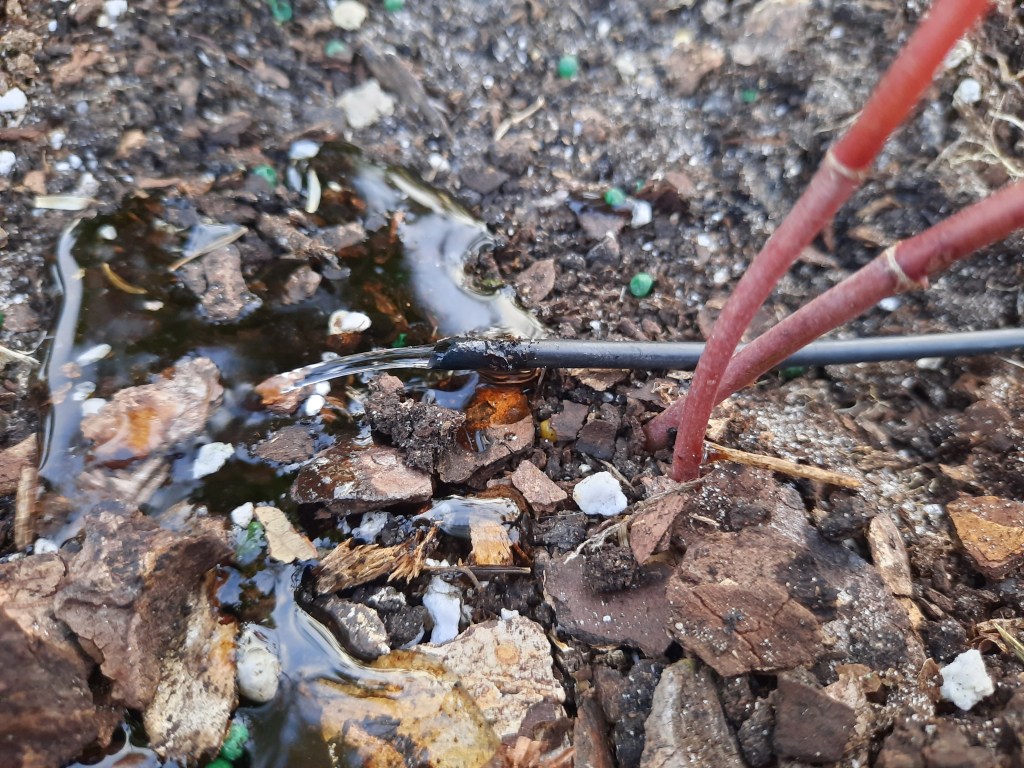
Ways to distribute the collected water are a watering can, which does offer some exercise as well as giving you the chance to add in liquid feed. You can use a gravity feed system like we mentioned above, or hook in a water pump and overhead sprinkler system. Sprinklers are usually an inefficient use of your water unless you’re using it on sod. A dripline system that is custom made for your yard is the best way to ensure you are taking great care of your plants, as well as getting maximum efficiency from the reclaimed water. These are all really easy to install and make your garden stand out in dry weather without a monthly hit to your water bill and our states finite resources. Ready to start collecting reclaimed water? Find all your supplies here: RainHarvest Systems – Rainwater Collection and Stormwater Management
You might luck out and have affluent (reclaimed) water available from your county utilities to your home. If you live in Manatee County, you may be able to access reclaimed water but again only use this on ornamental plants and not a veggie garden. Learn more on how you can participate in reclaimed water usage for Manatee County at Reclaimed Water – Manatee County (mymanatee.org). If you live in another county outside of Manatee, be sure to reach out to your utilities department. No matter where you live, we hope that you’re inspired to help conserve water. It’s one of our most precious resources, and every gallon counts!

 The Veranda View