

Buzzzz….buzzzzzz…. When people hear this sound things go one of two ways. Either the person hearing this smile and look around for the amazing pollinator fly by, or you jump back, swat, flail, or do anything you can to ensure this creature does not land on you. Whether you enjoy being around bees or not, they are truly essential to our environment, which is why this week featured World Bee Day on May 20th! A day to recognize our amazing pollinators, all they do for our world, and of course, focus on educating how to protect them!
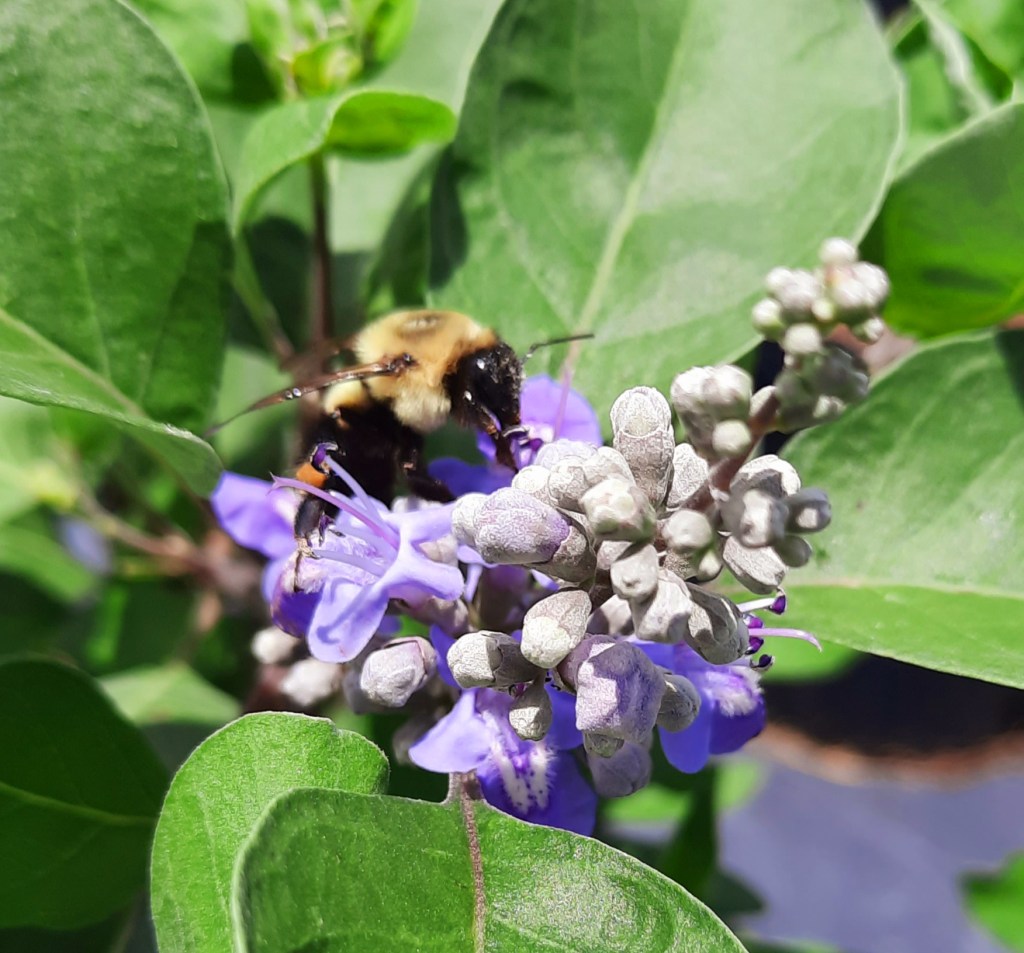
Bees aren’t the only pollinators that are essential. Wasps, butterflies, moths, and beetles also fall into this important category. According to the Xerces Society, ” The ecological service they provide is necessary for the reproduction of over 85% of the world’s flowering plants, including more than two-thirds of the world’s crop species. The United States alone grows more than 100 crops that either need or benefit from pollinators.” So, what’s happening to the pollinators? Loss of habitat (both flowery and native plants), development, climate change, over-use of pesticides, unpredictable weather are just a few reasons on why pollinators are slowly disappearing or dying off. For example, in the UK alone, half of their bumblebee population is in decline, with three of them extinct! It’s easy to forget the importance of pollinators when food is so readily available in the grocery store, but the need is greater than ever before.
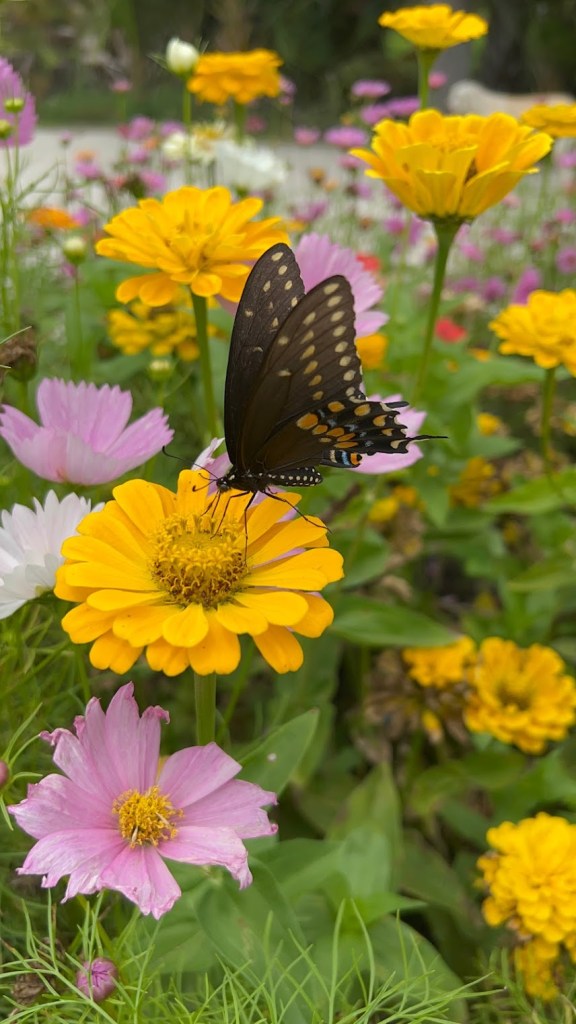
As a homeowner or hobby gardener, what can you do to help? Plant, plant, and plant some more! The other day we were driving around with my mom, and she commented on how “beautiful” our neighbor’s yard was. All it had was some shrubs under the window and a huge area of freshly cut grass. It has been engrained in our brains that a beautifully cut lawn is the best landscape, but in reality, it isn’t. Grass doesn’t provide much, if anything, for bees and other pollinators. They need a variety of flowering plants that provide both a habitat and nectar for the pollinators to eat. This is why we want to share with you a few of our favorite flowering plants, that truly attract and feed bees and butterflies! We hope you find a few that you like, but more importantly that our pollinators love!
Pollinator Plants We Love:
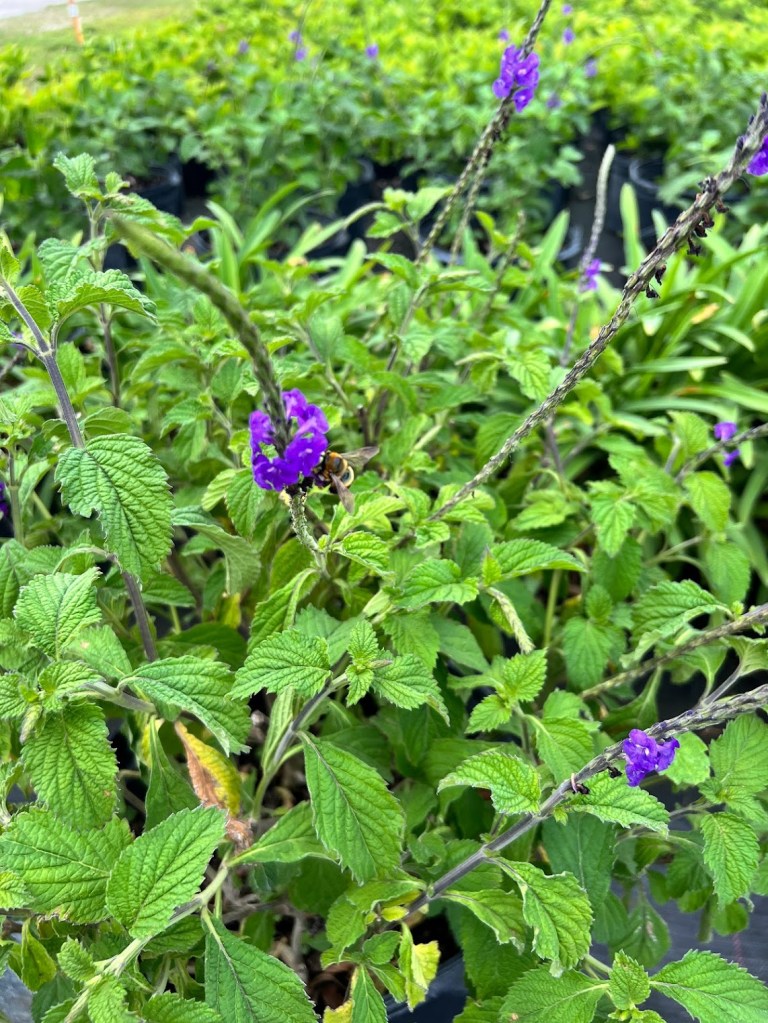
- Purple Porter Weed- A fast growing shrub that provides brilliant purple flower spikes that bring both bees and butterflies, but also ladybugs which are beneficial insects!
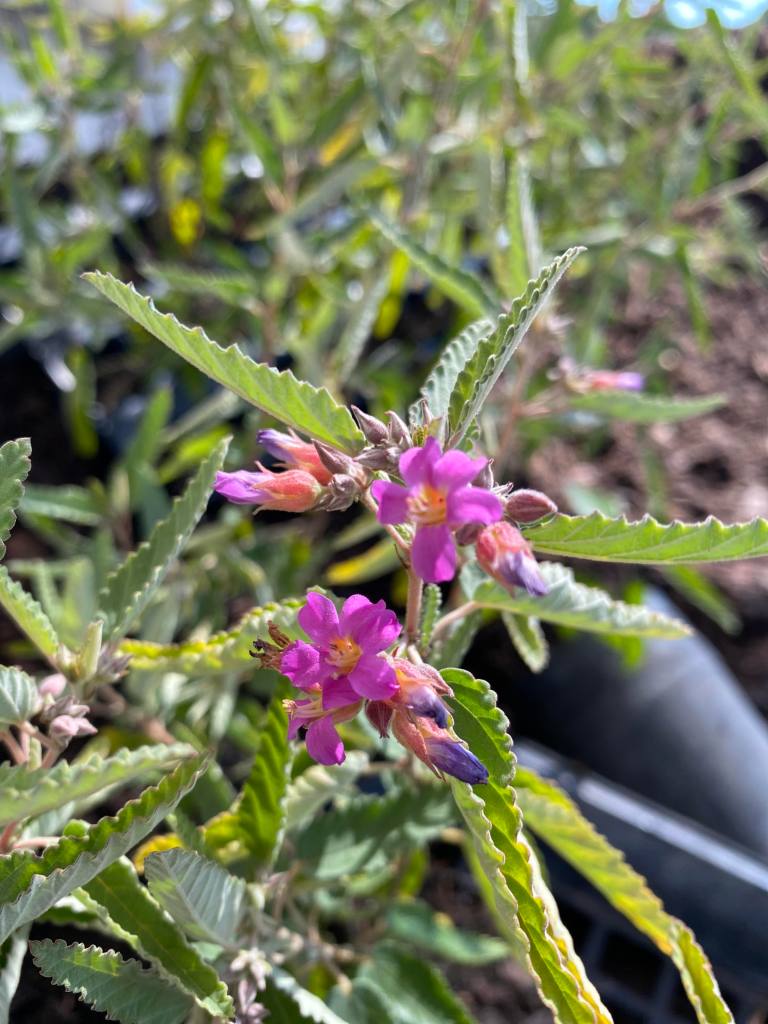
- Wooly Tea Bush- This might not be the most impressive plant aesthetic wise, but the bees LOVE this plant! They are all over the pink flowers that fill this plant year-round!
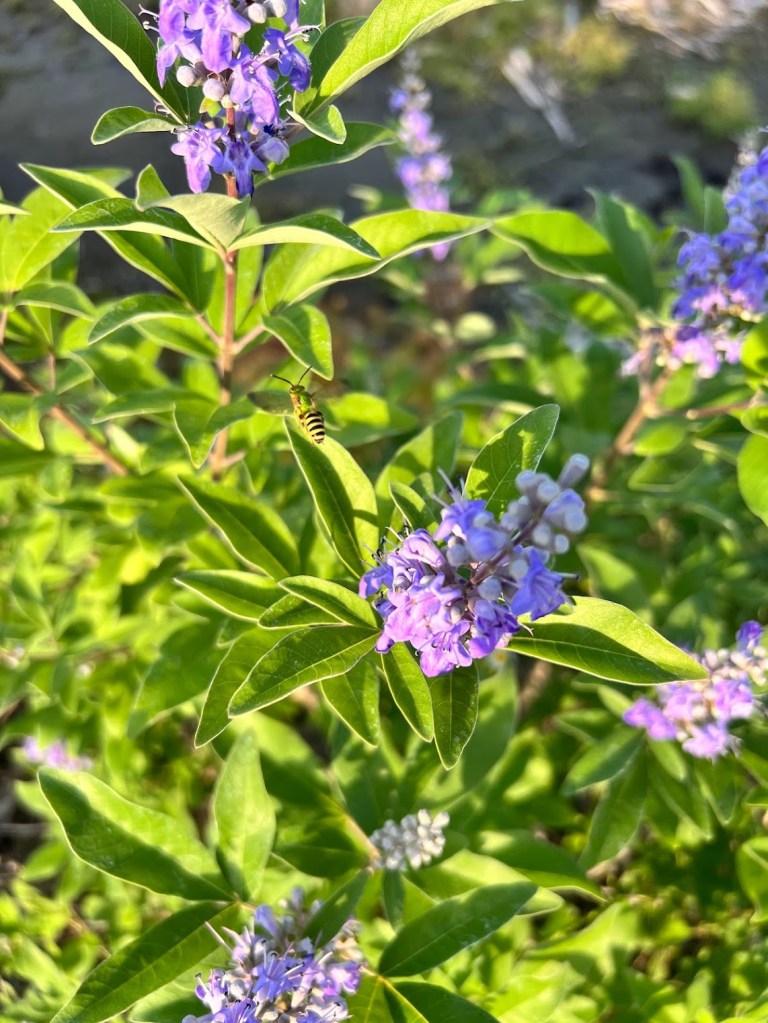
- Vitex- Various types of bees from bumblebees to solitary bees, love the blooms on this shrub. It’s a vigorous grower and makes a great pollinator hedge.
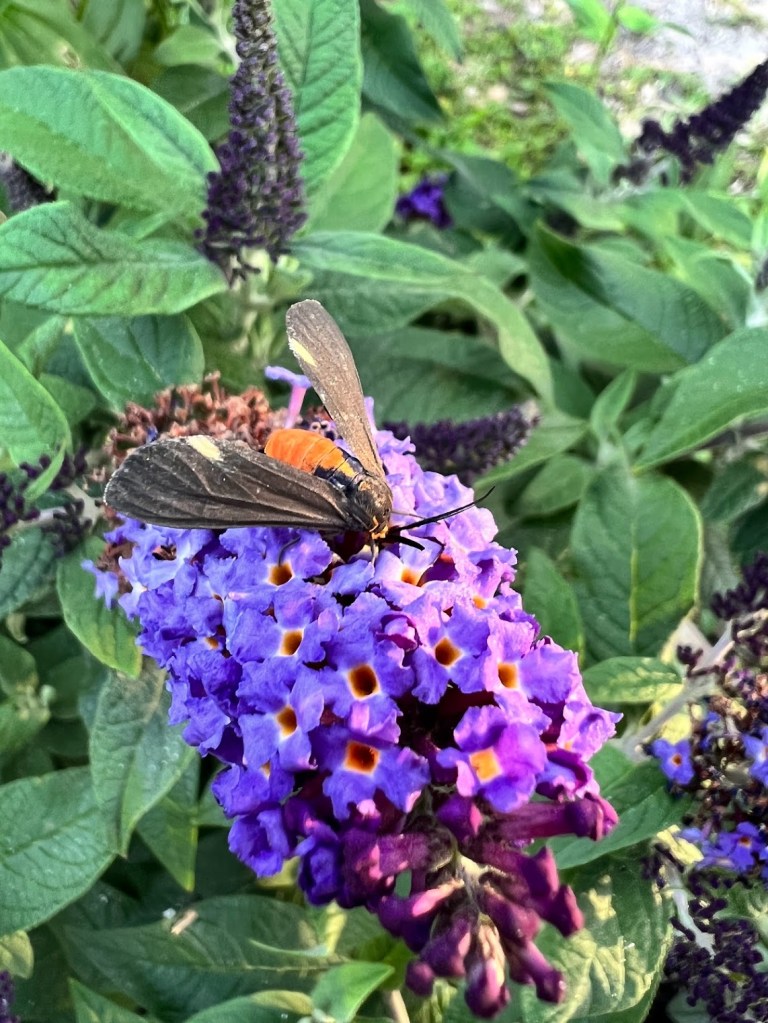
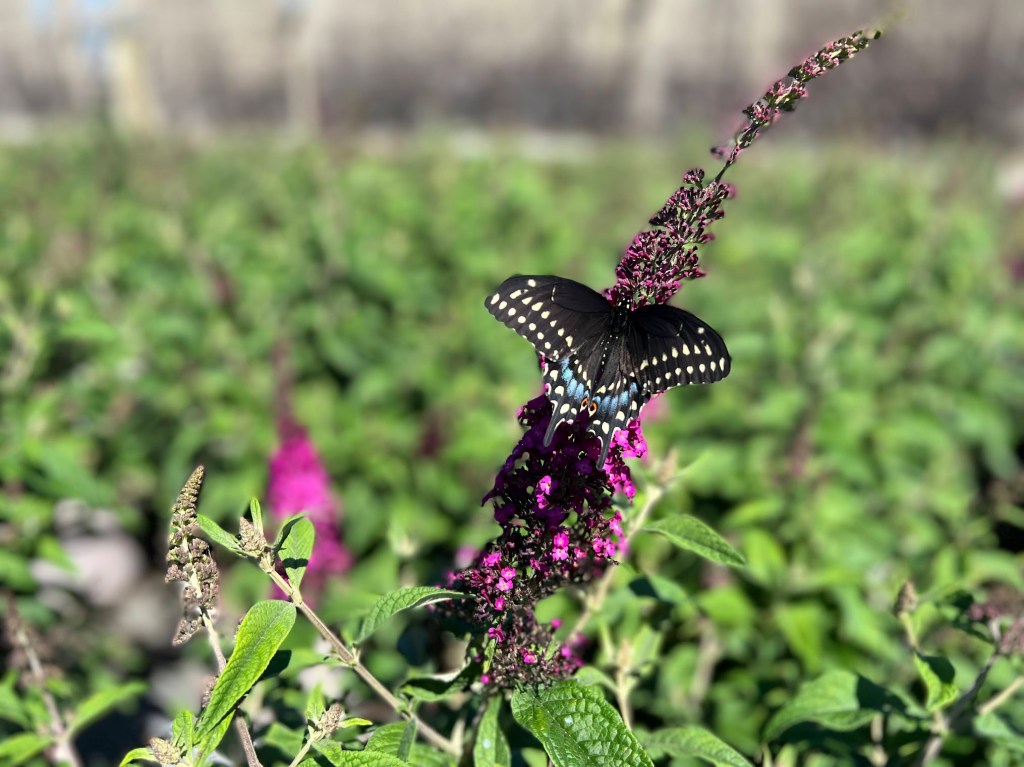
- Buddleia- These come in a variety of colors from purple to cranberry to white! Thes have huge flower spikes that offer color year-round that offers plenty of nectar for all pollinators. They don’t enjoy the summer as much, but they will survive the Florida heat depending on the variety. ‘CranRazz’ and ‘Frutti Tutti’ have been tride and true varieties for us.
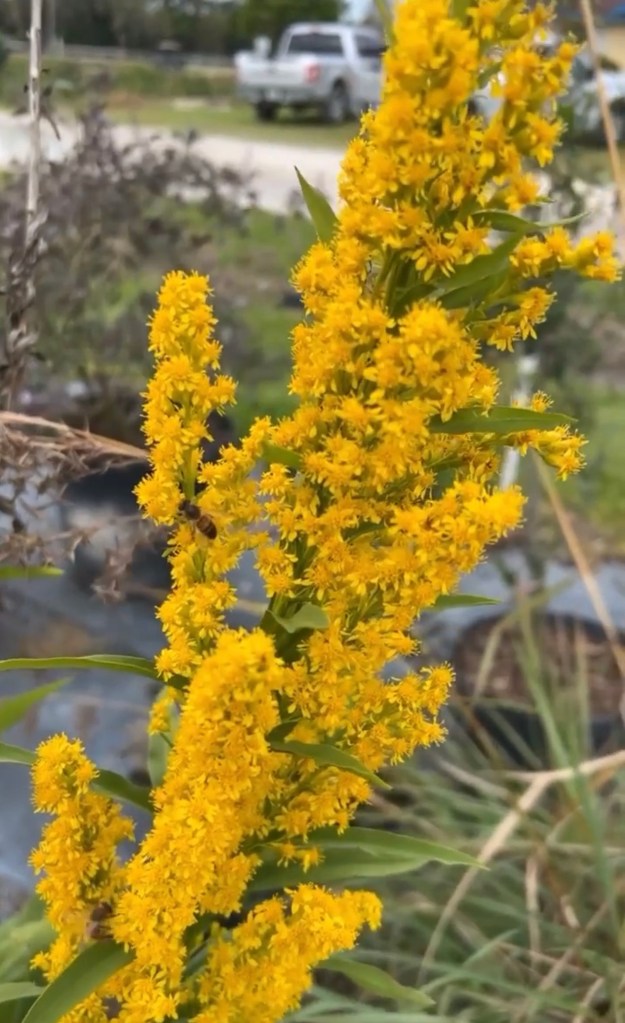
- Goldenrod- A Florida Native that the bees go crazy for!! This plant self-seeds (so around a pond or in a field is best) and produces large yellow flower spikes that the bees just can’t resist!)
- Zinnias & Cosmos- We couldn’t help but throw our annuals in here from our cut flower garden. We could sit all day in our chairs and watch the pollinators jump from flower to flower enjoying our small garden. They may only last a season, but with all the other plants above in our yard, it’s okay to have some annuals!

 The Veranda View