
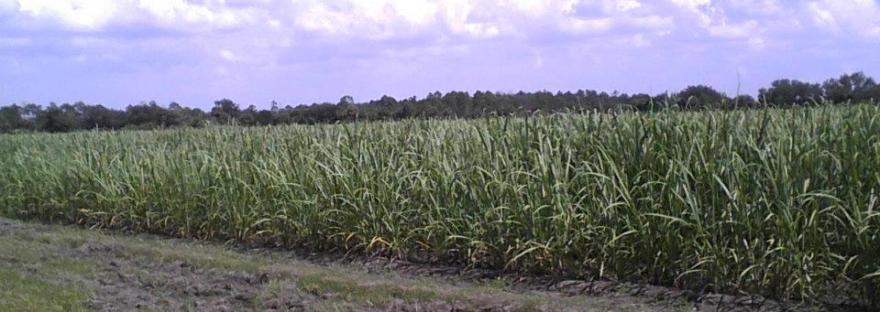
There’s been quite a bit going on in our nation recently. Rising interest rates, inflation, higher gas prices, labor costs, the list goes on. It can be quite overwhelming, especially if you’re a farmer. Lately I’ve seen many posts about farmers and sadly, a big portion were negative. How grocery prices rising are the fault of farmers, or development is the fault of farmers selling off their land, and they shouldn’t sell and just stick it out. Our love for agriculture runs too deep to not share our thoughts on what you can do to support farmers.
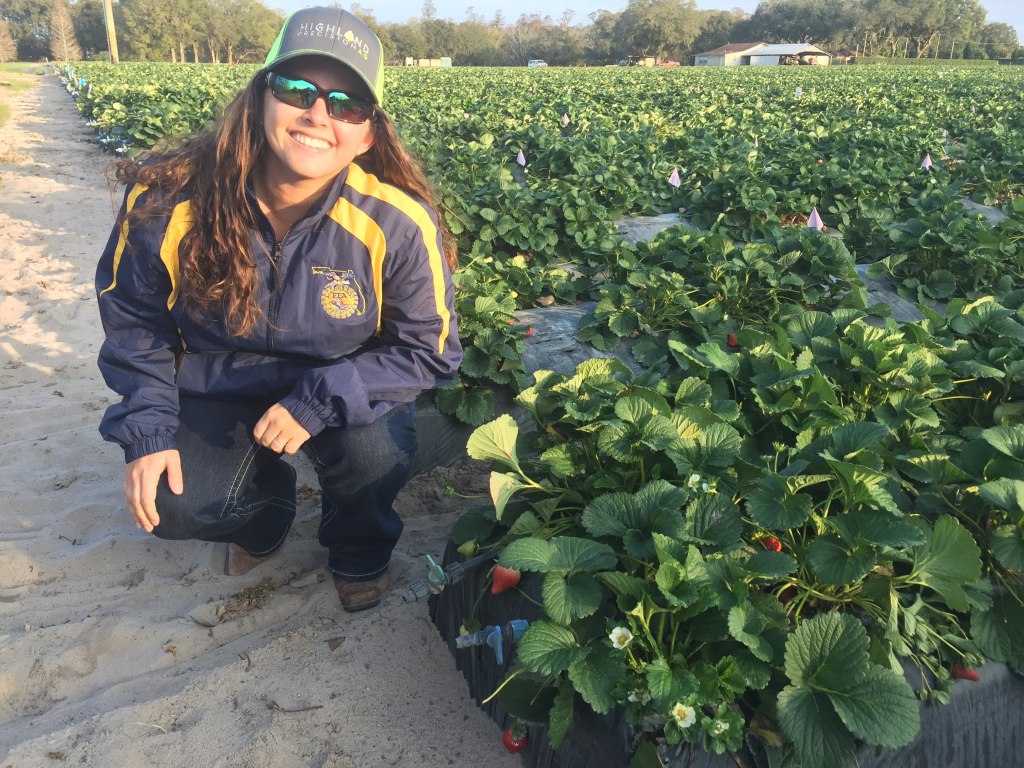
There are a multitude of costs that go into producing any crop. Seeds, fertilizer, chemicals, tractors, diesel, labor, marketing, repairs, maintenance, distribution, electricity, it adds up. So does the cost… The cost to produce agriculture products went up 12% in 2021 from 2020 and is expected to rise another 6% in 2022. ( Read the whole article here) I know you’re thinking, “but grocery prices have risen exponentially too!” and it’s true. Our family grocery bill easily averages between $140-$180 a week now, instead of my former $100-$120 budget. The issue is, the crop production prices are rising so quickly that they might end up outpacing actual revenue. So where does that leave the farmer? Will they be able to produce their crop or will it be too expensive to actually bring a crop to market?
That thought, is a scary one. If it’s too expensive to farm, where is our food coming from? Don’t get me wrong, I thoroughly encourage EVERY family to have a garden at home. It’s so good for the mind, body, and soul, but you may not be able to grow everything your family needs. For example, in South Florida or even central Florida, if your diet consists of Broccoli (We are AVID Broccoli lovers!) it can only be grown in the winter months and needs cold weather to be successful. Our family could never produce enough Broccoli to sustain our diet. That’s where our farmers come in! To fill the stores and stands full of fresh produce that we want in our daily diet. If the cost to farmers is too high, the farmer has two options. Take the costs on and hope for a successful year, this includes the risks of droughts, tornadoes, hurricanes, diseases, insects, and more, or pick up and sell.

We all want fresh produce, but Florida is at the tipping point of agriculture verses development. Farmers struggle surrounded by mass developments of businesses and houses. Development raises value of the land which raises taxes, raising taxes creates additional expense the farmer cannot recoup by simply raising prices because another farmer with lower overhead can sell the same product for less. New farmers can’t take on the overhead of a loan to buy the land to start their own farm, on a large scale and permitting for wells is becoming harder or impossible to procure if you want to use it for agriculture. It’s a vicious cycle that is rearing its ugly head quickly. Florida is known for its winter vegetables, but between rising costs and urbanization, this reputation may fade away and the produce along with it. As more American farms close their doors, mass importing will begin. Food from other countries come in at a risk. Some countries don’t have as many regulations that the USDA has on American farmers, which may bring more health issues associated with foods. This also means Americans would be relying on other countries. If a war breaks out or countries don’t want to trade anymore with America due to, for example another pandemic, where will the food come from? It’s a scary thought, but one that may be in our future if we cannot save the American Farmer. So, what can you do?
Ways to Support American Agriculture
- Purchase food grown only in the United States! The US has amazing agriculture products that can be found in stores all year round. Check the label or packaging to see where the produce was grown, or the meat was raised, to ensure you are purchasing American Agriculture.
- Go one step further and buy Fresh from Florida! Fresh from Florida is a great way to learn more about Florida Agriculture, find Florida products, and learn ways to cook your locally grown produce! Check out their website here. We made the homemade strawberry pop pastry, and those certainly were worth the 470 calories!
- Know your growing season! The Fresh From Florida Website offers a feature that allows you to search what’s in season based on produce, meat, and seafood. You can search each month and that will help you focus your grocery lists and recipes by knowing what’s available for you at the store.
- Expose your family to agriculture. The average American is disconnected from the agriculture industry. Take your family on a farm visit! Many offer tours or festivals throughout the year. Check out our friends at Dakin Dairy for a tour! By educating our children, we can ensure that the future generations understand and value American Agriculture.
- Support your local agriculture education program. Whether it be FFA or 4H. Get your kids involved in a reputable program that immerses them in agriculture through exhibiting animals, plants, taking tours of agriculture operations, career opportunities and so much more! These programs need supporters and volunteers all the time!
- Support organizations that raise awareness of the importance of agriculture. Farm Bureau, Cattlemen’s Association, Florida Fruit & Vegetable Association, Farm Aid, and more. These organizations help support farmers all over the United States.
- Learn about your county and state’s agriculture history. There’s so much rich history in agriculture that tends to be forgotten! In order to value agriculture and how far it has come, we also need see where we’ve been! Manatee County has a great Agriculture Museum if you live in this area. There’s a great book about Florida agriculture history (I actually had to read it in high school! ) called ‘A Land Remembered.’ Purchase the book here.
The American Farmer was a pillar in the foundation of the United States. Perhaps we need more applied innovation in the industry but with the threat of urbanization and costs of production on the rise, the industry needs our help more than ever! Bernard Baruch said, “Agriculture is the greatest and fundamentally the most important of our industries. The cities are but the branches of the tree of national life, the roots of which go deeply into the land. We all flourish or decline with the farmer.” What you don’t see in the supermarket is the stress and hard work that went into producing those crops.

 The Veranda View