
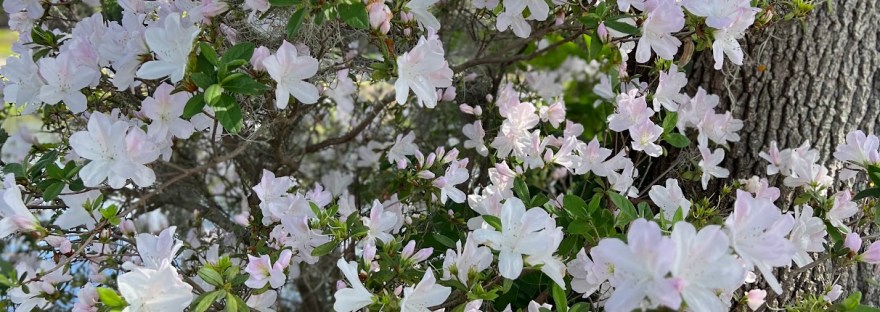
If you’re not familiar with the term, right plant right place, our hope is you will not only remember it after this article but also apply it to every aspect of your garden. The term was first introduced to us by the FNGLA( Florida Nursery Growers & Landscapers Association) whom we have mentioned and referenced many times in previous documents. It’s a simple term, but this principle is truly the backbone to any good garden.
Right plant right place is basic in the sense that it is simply reminding you to make sure you put the right plant in its most suitable environment. For example, a bougainvillea which is sun loving and needs well drained soils would not do well in a shaded wet location of your yard. Some items like Bougainvillea are more well known to gardeners and are easier to identify the best location for planting. How then can the average gardener pick the right plant for the right place without being an expert on all plants and garden conditions? Let us answer that question now.

The University of Florida along with other online resources give us all the ability to be a plant expert and make well informed gardening decisions. Here are some of our favorite sites to reference when inquiring about how to best build and manage our garden.
U.F. Non natives search list This link will take you to a site where you can search any invasive plants. You may need to google the generic name you’re familiar with to get the botanical name but, if your plant comes up on this list, you probably don’t want it in your landscape. For example, type in Mexican Petunia into the search box and you’ll find this is not an item you want in your landscape.
Waterwise Landscaping This is probably our favorite link to use as you can search for exactly the height, style, or water preferences you need, and the list will only generate Florida friendly plants to suggest for your landscape. This is the easiest way to come up with a short list of excellent options for your landscape.


The most important part of all this is to identify the different zones in your yard. If you have been in your home for a while this should be easy. First, draw a map of your yard include garden beds, lawns, hedges, etc. Next, identify and label areas in the landscape that are consistently wet, average moisture, or dry locations. Once you’ve established water preferences, add to the map by labeling how much sun or shade each location gets. Just for a frame of reference, full sun is 6+ hours, part sun is 4-6 hours, and shade is less than 4 hours. The final step would be to identify where in the landscape you want to keep plants taller or shorter. With this map you can simply use the waterwise search and input your needs for each location and identify what plants will do best in each area.
Now, if you have not been in you home for over one year and do not know which areas are more wet and dry that’s okay. Keep a close eye after it rains and during droughts to see what areas of your yard hold little or lots of water. In the mean time use the Nonnative search and look for items in your yard that need to be removed. I would recommend this for anyone no matter how long you have lived in a home. Removing invasive plants is the responsibility of all homeowners. If you cannot identify the plants in your yard that is okay, there are great resources out there to make us all look like experts. I-naturalist is an excellent app to help identify insects and plants, giving you the knowledge to know what is helping and what is hurting your ecosystem.

Picking the right plants for the right place goes way beyond making sure you find something that will thrive needing less water and fertilizer. That is the basis and founding block that we should all follow but if you wish to dig a little deeper your landscape can become so much more interesting. Food for thought, did you know plants with little hairs on their leaves are better at collecting sediment out of the air than glossy leaf plants? It makes sense and is a fun fact, but now let’s apply that information to a garden. If my back yard has a dirt road that runs behind it and we are trying to keep dust from drifting off that road and into our yard on my new patio set, what plants could I put in that space? Silver Buttonwood have fuzzy leaves that are excellent and collecting particulates from the air, if we spend a little extra, we could buy a taller tree form buttonwoods. With a tall hedge we could then put Azalea under the buttonwoods. Azalea also have a fuzzy leaf that will pull particulates from the air. The Azalea will add color every Spring and fill in my hedge to offer a complete screen. Just for good measure to catch any sneaky bits of sediment that make it past my first two lines of defense we will put Black eyed Susan along the edge of the Azalea. The Black Eyed Susan also have a fuzzy leave to collect particulate from the sandy road along with beautiful yellow flowers. We have just designed an excellent looking hedge that will preform well in the full sun and partial shade it creates, the plants are all happy with well drained soil, each will provide a unique color, and serve a function in the landscape.
You can see how designing your own landscape can quickly become exciting, gratifying, and beneficial. You don’t have to go to in depth on the function of each plant but it is amazing how following the wet/dry & sun/shade map will present plants to you that will serve more than just one purpose. Ensuring your plants are located in the best areas of your landscape will make a successful garden which will save water, improve your local ecosystem, and help with water retention. Just remember it all starts with, the right plant in the right place.
-Written by John Taylor

 The Veranda View