
There is no question Florida is being built out at an astronomical rate. The US Census Bureau estimates Manatee county grew around 10% from 2020 to 2023 which would be roughly 45,000 new residents in that time. With building, development and land sales being some of the highest monetary generating industries, there are a lot of dollars being spent to package and sell a piece of Manatee County to everyone. Those dollars have gone towards improving and widening roads, new libraries and schools, all while many long-time land owners are able to sell for top dollar, forever changing the financial foundation of their family. With this growth we are also seeing the natural Manatee County landscape disappear, alongside habitat for animals while density increases. Is it best for our county to increase the density west of the urban boundary line to offset large land purchases? Does this density have the desired effect to save the natural characteristics of our county?
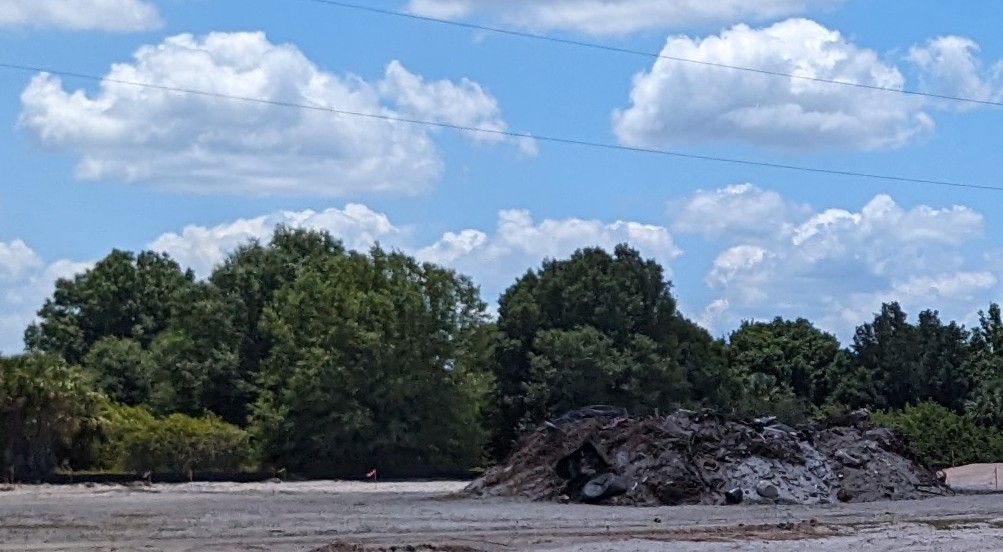
Many of the new communities that clear cut the land to maximize housing space for profit, adjust elevations, and build retention ponds, destroy the very beauty people seek in coming to our County. The idea of keeping as many people inside the urban boundary line as possible makes a lot of sense. Florida’s finite resources, mature trees, top soil, clean water and aquifer levels, took thousands of years to build up. These areas inside the urban boundary line are already built up. Converting the available urban space to high density housing means fewer homes going on pristine land that is currently undeveloped. When these high-density developments go in however, is it truly a win?
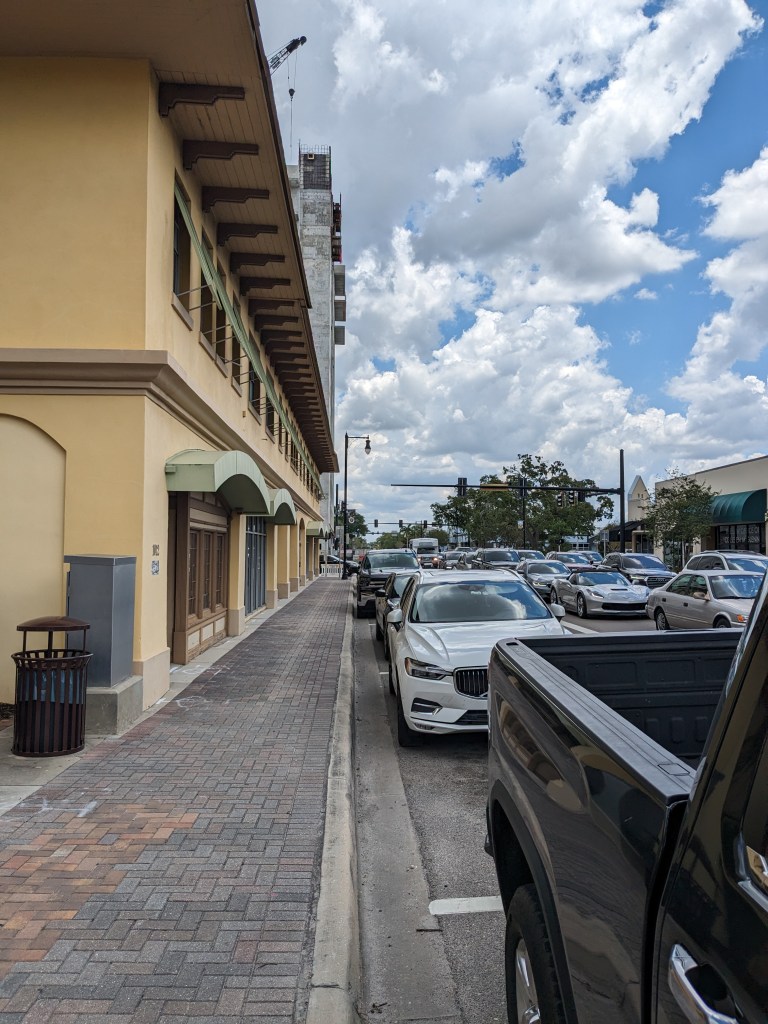
For many in today’s society being able to walk to the office, gym, and kids’ schools is highly appealing. However, we all notice the same thing after working in the office all day, the heat, when we hit the sidewalk is extreme. So extreme it seems hotter walking around town than it does walking through a grass field or park, even one with minimal trees. Why is the heat so intense that some counties have tried passing heat ordinance laws above and beyond OSHA requirements to combat this heat? What you’re feeling is the heat island effect.

Heat islands are caused by a lack of green space in a given area. When heat is compounded by materials used for building, that hold and do not easily release heat, and additional human input like cars and air conditioning units running, the island effect grows stronger. The EPA reported that east coast areas like Manatee County could experience a 1-7 degree increase during the day from heat island effects and a 2-5 degree increase at night in comparison with outlying areas of the same town. If it’s hotter outside on your building due to heat radiating from surrounding buildings, the amount of kinetic heat transfer through your walls and windows will be higher, which in turn will make the AC work harder and consume more energy. This is not only costing you more money, but burdening the electrical grid as everyone around you is doing the same thing. In Texas, they already experience rolling blackouts due to the high electricity use from consumers trying to keep their homes cool during peak heat of the day. These black outs can be deadly to elderly and small children if the air is off for too long. A nursing home in Broward County lost 8 patients after Hurricane Irma knocked out power, and they had time to plan for that power loss. Imagine losing it suddenly with no warning, what would the consequences be?
Water quality is another major concern from heat islands. If rain does make it into one of these areas, the water runoff from those hot surfaces would quickly find its way into the bay and retention ponds, per current development models to retain water. The issue is, water that hot quickly injected into a cooler body of water can create a fish kill. One study found heat island runoff increased surrounding stream temperatures by 7 degrees. With no green space there is much less evaporation which breaks the natural cycle for rainfall.
What is the solution? We cannot perpetually spread into east Manatee County with new suburbs that forever consume viable agriculture land. We also don’t want to find ourselves in the first ever mega city 1 (see Judge Dredd if your unfamiliar with the term)

Urban forestry has been contemplated as a solution to this set back of urban growth. Rain gardens are another solution but from a wide view lens, it’s pretty much the same idea. Other ideas include green rooftops, as in living rooftops and living walls. Why do living plants help? Evapotranspiration, wow that was a mouthful. Evapotranspiration is the process where plants actively move and release water vapor, this is what helps keep the natural flow of water moving so we can generate rain clouds. Shade from trees that are also in the process of evapotranspiration can reduce temperatures by up to 6 degrees. Take into account that heat islands can raise temperatures by up to 7 degrees, so we are talking about an over ten degree difference. Imagine walking out of your apartment in ‘feels like’ 98 degree temps or ‘feels like” 88 degree temps, that’s the kind of impact green space in our urban areas can have! All of these ideas present the same basic solution, density cannot work without a balanced and comparable living ecosystem. There has to be green space to offset the density of building materials and man-made heat generation in these urban environments. Buying tree credits to offset what was cut down and then allowing those trees to be planted elsewhere is not getting the results we need. Putting down some Bahia grass and moving on is not retaining, or filtering the amount of water we need it to, and definitely isn’t providing shade.
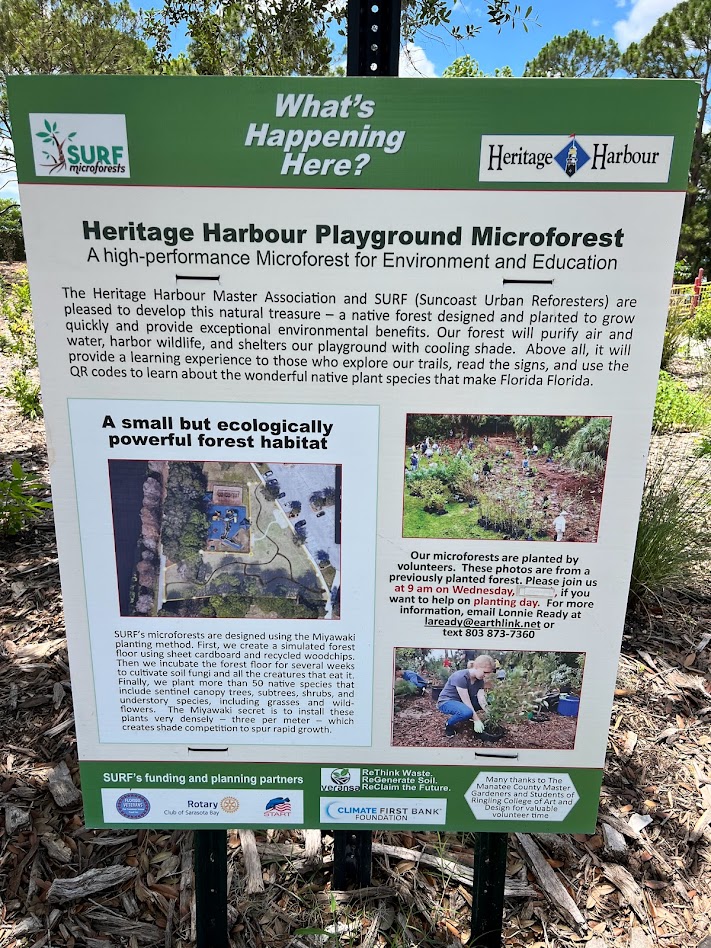
The implementation of rain gardens, micro forests, or living walls would drastically change our urban environments and landscapes. Cooling the buildings, saving money, saving energy, & creating habitat that was destroyed. Building an ecosystem in the area where it’s needed to support the wildlife that was displaced. Green spaces like the ones mentioned in urban areas also increases the value, health of residents who live there, decreases stress, and reduce noise levels. Tackling the heat island issue can be much more than just sound economic decision making, we can make our town more beautiful, quieter, relaxing, improve our water sources, and reduce our energy consumption with just one focus and discipline when it comes to development. As we move forward in the county’s development plans, look for options that require environmental infrastructure and not just a privacy hedge. Look for solutions that prevent the fire rather than searching for a fire extinguisher later, which is where we currently find ourselves. Start something in your landscape that will make the difference at your home, plant a tree or hedge that will shade your home to reduce the AC, or plant a rain garden in that part of the yard that floods rather than installing a drainage pipe to the road. Simple solutions can allow our county to grow while preserving it in a way that makes it a beautiful place to live.
-Written by John Taylor

 The Veranda View