

What can the City of Bradenton do with 24 plus inches of rain in one months’ time frame? Processing it to avoid polluted discharges doesn’t seem to be an option, with 25 million gallons of unsafe waters being sent into the Manatee River. Manatee County, the city of Bradenton and Sarasota counties struggle to manage their excess water, sewage, and its retention; while the Tampa Bay region is working diligently to fill the C.W. Bill Young Reservoir up to it’s 15.5 billion gallon compacity. How can two counties in the same SWFWMD area have such different responses to feet of rain fall while sharing similar growth and expansion?

There’s no need to dive into the numbers on the Manatee County’s damn flood and the rainfall that wreaked havoc into Sarasota county, this has all been well reported on. The impacts still are catastrophic, leaving home owners spiraling not only for safe places to live but with serious doubts about their future and the places they call home. There was a news report done by Tampa Bay 10 news which shows how many gallons of sewage was released in each county area during hurricane Debby and the numbers speak volumes. The Manatee County area had 7 times as much sewage released as the next highest county. The Hillsborough area had the second most sewage released listed at 500,000 Gallons in comparison to the Manatee County area at 3.5 million Gallons. This is a clear and stark difference; our area discharged more than 2.5 times the water volume vs. all 6 reported locations to our north combined.

At this point it would be understandable that we had record rainfall pushing the 50 and 100yr averages which would explain this once in a lifetime event. There is no feeling of comfort however as it is continued to be reported (by Fox 13) that the City of Bradenton, “can’t handle all the rain they’ve received, and releases won’t stop until the downpours do.” With the promise of fresh faces in the Manatee Board of County Commission, the people in the county have clearly stated they want change. The Manatee County Comprehensive plan is currently undergoing its first renovation in over twenty years, this seems to be a pivotal time in Manatee County politics. Residents recently filled the Parrish United Methodist Church to attend the East Manatee Preservation Associations speaking panel about Flooding & Development Community Forum. This meeting was well attended with several educated speakers who residents were eager to learn from about what they can do and what to be aware of.

As we look at water issues from a wider view those counties to our north who also experienced record rainfall but had much less polluted water discharges, we start to see some drastic differences. The C.W. Bill Young Reservoir which can hold over 15 billion gallons of water still to date is not 75% full. It should be stated that this reservoir was at a meager 16% compacity in June of this year. This speaks volumes of not only the unprecedented rain levels that are making up our new normal of weather patterns but that we were dangerously low of water not long ago. The ability for our municipalities to not only prevent unclean water from rushing into our waterways, but also retain water to handle the demand of the largest growing regions in FL is paramount. Lake Manatee has a 6 billion gallon holding capacity, when working properly. According to Florida Politics, the population in FL is expected to grow 23% by 2040 and our current water availability going forward is able to accommodate a 15% growth.
The Manatee County ELMAC should be putting serious consideration into purchasing the surrounding available areas of Lake Manatee and doing some serious planned expansion for water retention and future use preparation. The FNGLA just concluded a several year project in cooperation with all of the water management districts, University of Florida, and more to revise the nearly 20 yr old Landscape Irrigation and Florida Friendly Landscaping Design Standards. This is important because landscaping irrigation is nearly 50% of the average home owners potable water consumption. Implementation of these revised standards would help drop that number drastically. It is important to keep in mind that we desperately need healthy and diverse landscapes, simply not allowing any irrigation is not the answer. The USDA-NRCS did a study and found that “every 1% increase in organic matter results in as much as 25,000 gallons of available soil water per acre.”
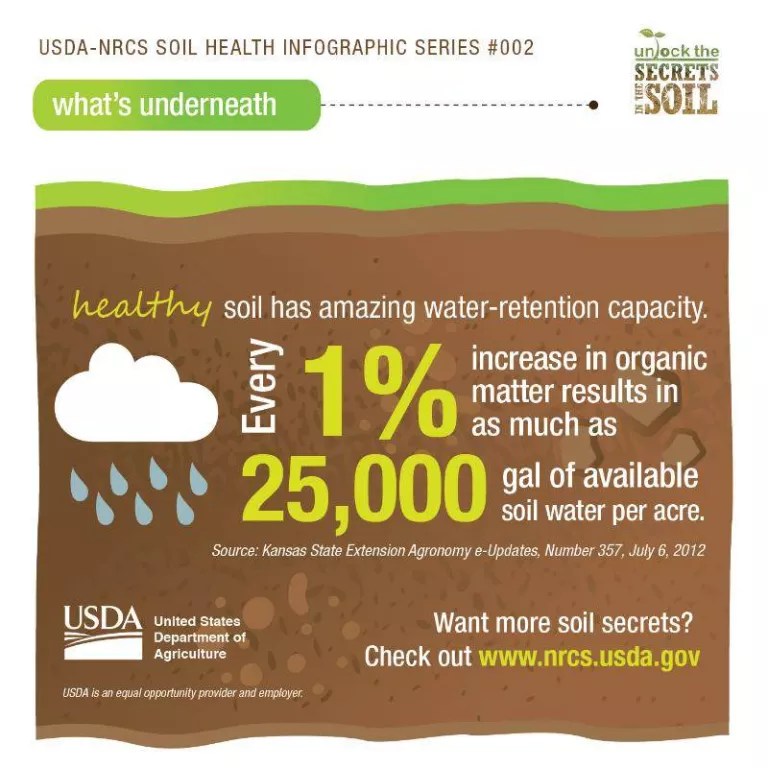
To break that down, with healthy living soils that have the right plants in place, our soils can hold a lot more water naturally. However, as many of you know who bought new homes, you don’t have healthy soils. Your house was built up on sand that is dead and practically devoid of life. Following the new standards which are basically the Florida Water Star Standards for landscaping and irrigation will help build and create that living soil as well as manage our water use to reduce use as the landscape matures and grows. Stay tuned to The Veranda View as we will begin to show instructional videos of how to amend the soils around your house, plant Florida Friendly and native landscapes, and increase your ability to make a difference on your own property to retain water and reduce runoff.
-Written by John Taylor

 The Veranda View
