
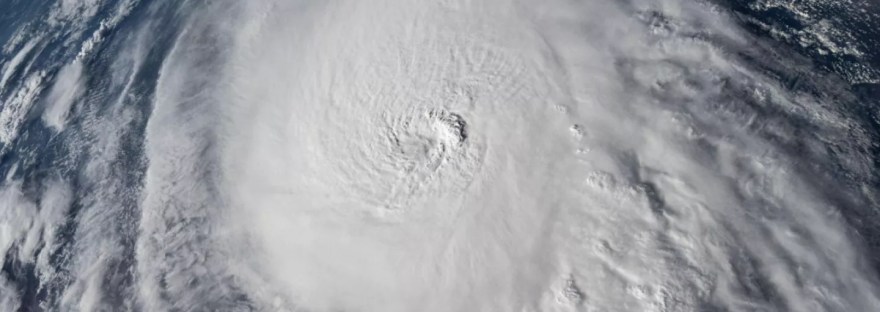
Hurricane Milton was a storm that will be talked about and studied for years as one of the most impactful storms to ever hit the gulf coast of Florida. It’s far-reaching winds and rain embodied the wrath of a hurricane that residents never want to see. The state of Florida is working hard to get life back to normal and move past this storm. With tourism and agriculture being the two largest economic drivers in the state and tourism relying on the beauty of the landscape, the state is going to be hinging it’s economic recovery on the backs of its Nursery and Landscape industries.
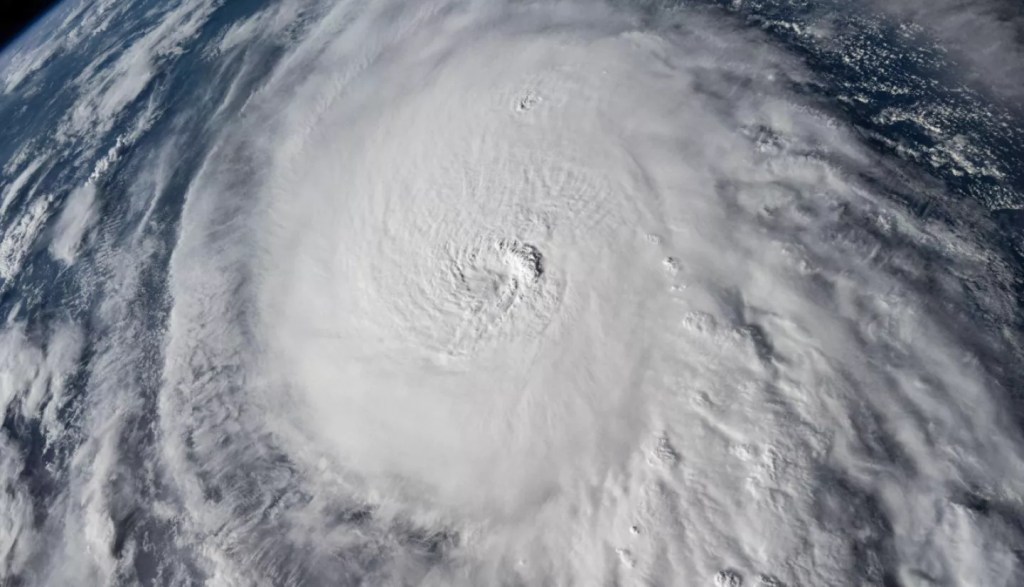
Hurricane Helene was already devastating to the majority of the gulf coast with huge storm surge damage and heavy weather into the panhandle and several other states. This was devastating to the beach front rental properties along the majority of the Florida gulf coast, putting a serious squeeze on the ability for tourists to visit the state. Thirteen days later, not even enough time to pick up debris from Helene, Milton makes landfall on top of the same homes that were just flooded and including many more. Milton packed rain which flooded townships in a different way while following that rain with triple digit winds across counties and hurricane force winds across the state causing power outages and wide spread damage. Even if the eye wall did not cross your path, one of the tornadoes of Milton may have. NOAA’s storm prediction center had 45 confirmed reports of tornadoes stemming off Milton. This wind was devastating to some homes removing roofs, knocking over trees and striping landscapes down to their naked stems.

While trees can be blown over by heavy winds in saturated soils, hedges can be whipped bare by wind, and yards turned to mud slicks from driving rain, there is an opportunity for us do better. Trees that are properly chosen for the correct location, size, and moisture levels can often survive storms like this if they’re healthy. The trees create a wind break, something that seems to have become lost in recent years when in comes to community landscaping. The goal of pushing as many houses together as possible without adequate landscaping has finally reared its ugly head. Now trees cannot do this task by themselves very well, stand-alone trees often blow over due to improper pruning and its root network having nothing but wet soils to hold it down. Planting trees in groupings of three often increase their chances of survival in high winds thanks to the support of the surrounding interwoven roots.
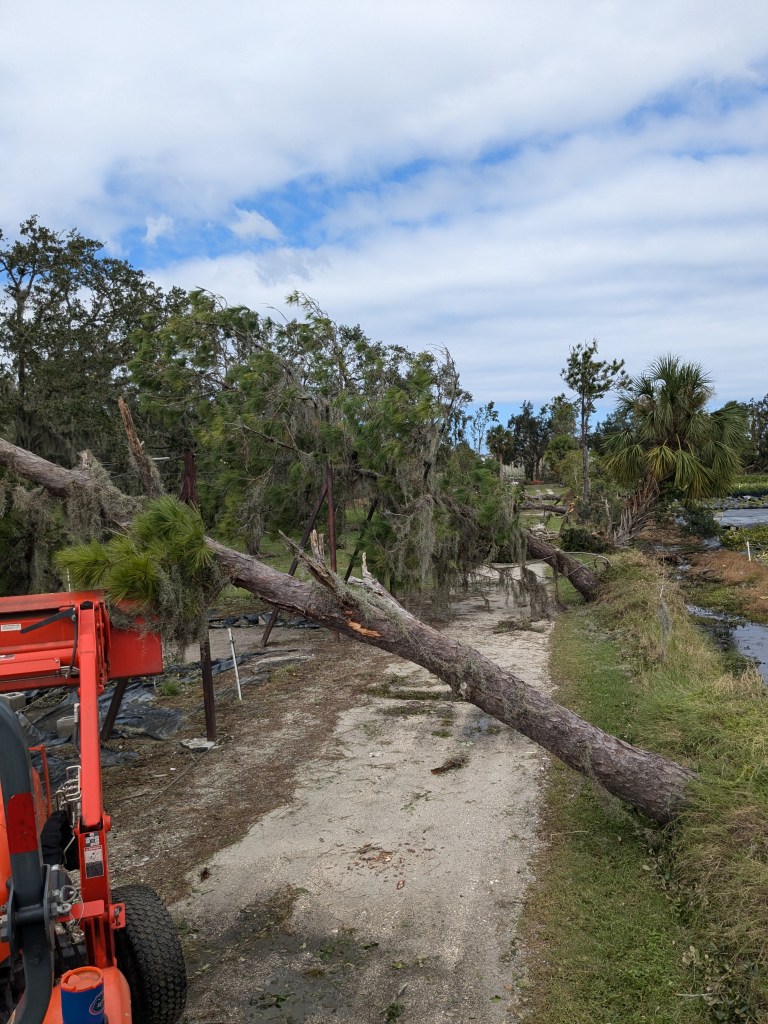
The trees effect is compounded when equally well thought out shrubs which are selected based on soil conditions, proximity to the house and water needs are carefully selected to accompany the tree. The shrubs will also buffer the winds and increase the soils’ water holding compacity. Lastly, ground covers will help prevent erosion and again, increase the grounds’ water holding capacity. Healthy landscapes allow our private property to be the sponge that it naturally is, so every rain we get doesn’t create loose unstable ground. The strength of some of the tornadoes seen this past week will rip most any tree down, which is why it is so important the right kind of tree be planted close to your house. Looking to nature gives a great visual of what is successful in the long term.

Trees can abate wind up to 2.5 times their height away from the base of the tree. This means a 50ft tree can help reduce wind impacts up to 150ft away from itself. Therefore, do not plant a live oak in your front yard 30ft away from your house. This tree will outgrow it’s given space and become a threat to your home. A Dahoon Holly however only reaches 30ft max so it cannot fall on your roof if planted 30ft away but can offer 90ft of wind abatement. Pine trees and live oaks are some of our favorite trees and we love to see them, however they need to be planted along retention ponds and roadways that are set well back from any homes or curbing.
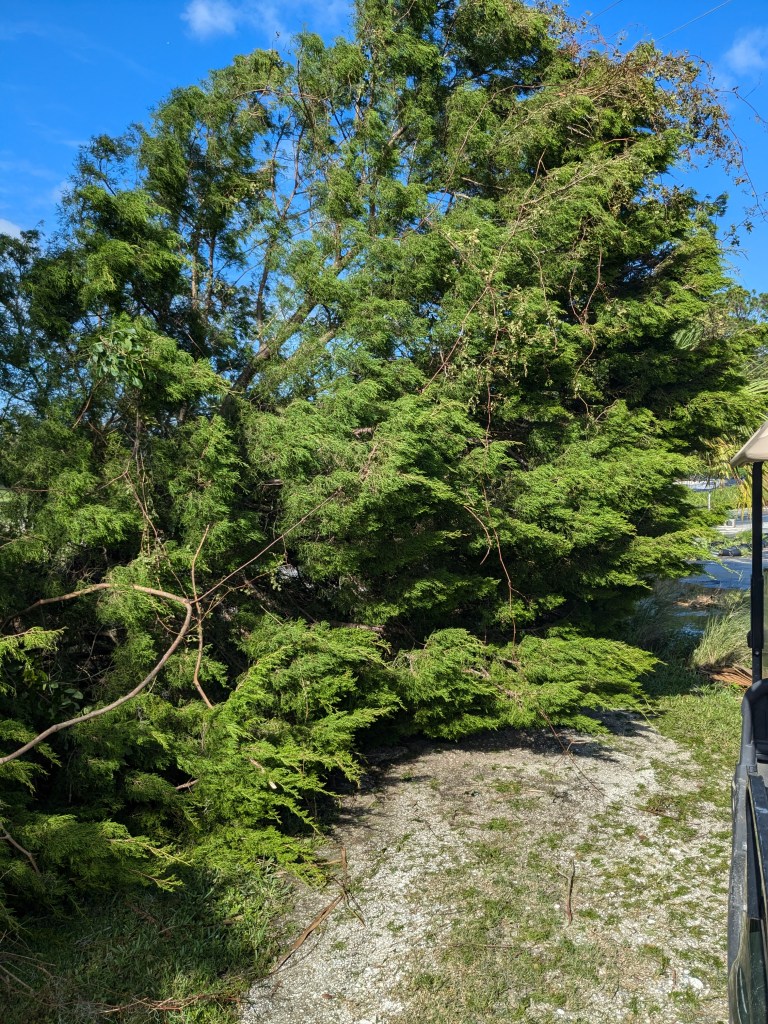
Finding the correct solution for your yard designing needs after this more recent round of storms is easy. You need to find yourself an FNGLA certified professional. There are many state certified professionals who will know the FNGLA teachings of right plant, right place and proper design practices. You can find their certified professionals list here. Many of us will be looking to rebuild from homes to businesses, landscapes and clubhouses. All of us should take note of what can be done to protect ourselves as storms like this are becoming more frequent and water sequestration and wind mitigation are becoming very important.
-Written by John Taylor

 The Veranda View