

Water is undeniably the lifeforce of Florida. Without the natural ability of our ecosystem to filter rainfall or natural springs, and retain water the state would be a larger extension of the Florida Keys. A broken incoherent mess of uninhabitable islands, marshes, and sandbars. Articles are regularly published about how important water quality is; that our springs are being poisoned and run dry, that runoff from the hives of urban development are flooding older communities and previously pristine pastures are lost forever. Simply put our right to clean water is being trampled by ‘The Man’.

Contrasting urban development and the impervious surfaces it creates VS. pastures and woodlands are the polar opposites of this debate. Urban development has made great strides in recent years with implementations requiring natives in the landscape and retention ponds to collect runoff and prevent nutrient discharge into water ways. These strides sadly resemble an infant’s first steps against the rate of development whose steps imitate an Olympic long jumper lunging for a gold medal. There is an undeniable fact that the population is going up, more homes are needed to accommodate this growing number and need. Should everyone be forced into apartment homes with no private, personal yards? Is the American dream dead and private home ownership the new elite status of generational family wealth?
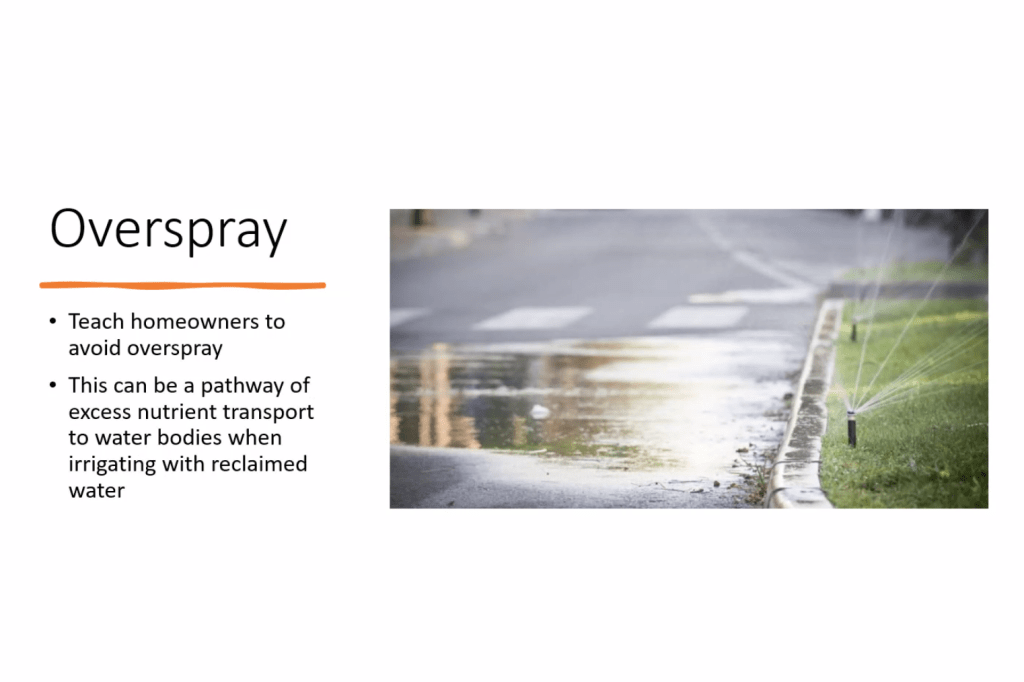
Commercial Horticulture (Arboriculture, Nursery Production, IPM, and Landscapes/Ornamentals)University of Florida IFAS Extension — Palm Beach County
Florida needs to step up with not just the issues, but solutions. For everyone who has demanded clean water, less pollution, no more building, stricter laws, what is your actual solution? Every article injudiciously points the finger at agriculture, development or government with no actual solution. Threatening businesses and organizations by way of lawsuit and hoping they figure it out because they ‘have money’. This is no solution, it’s kicking the can. The same way that nature has become this thing that should be outside the property line and not in your yard, such as snakes, racoons, and plants that don’t fit a trending color pallet. When did everything wrong with today’s world become the fault of anyone who built a business and provides the goods you buy every day? If your home is filled with single use plastics and forever chemicals, and your landscape is a flat lawn running into a plastic fence it may be time to look inward.

There is a song by Michael Jackson called “Man In The Mirror,” despite MJ’s checkered personal life, the song is one of inspiration.
“I’m starting with the man in the mirror
I’m asking him to change his ways
And no message could’ve been any clearer
If the wanna make the world a better place
Take a look at yourself and then make change”
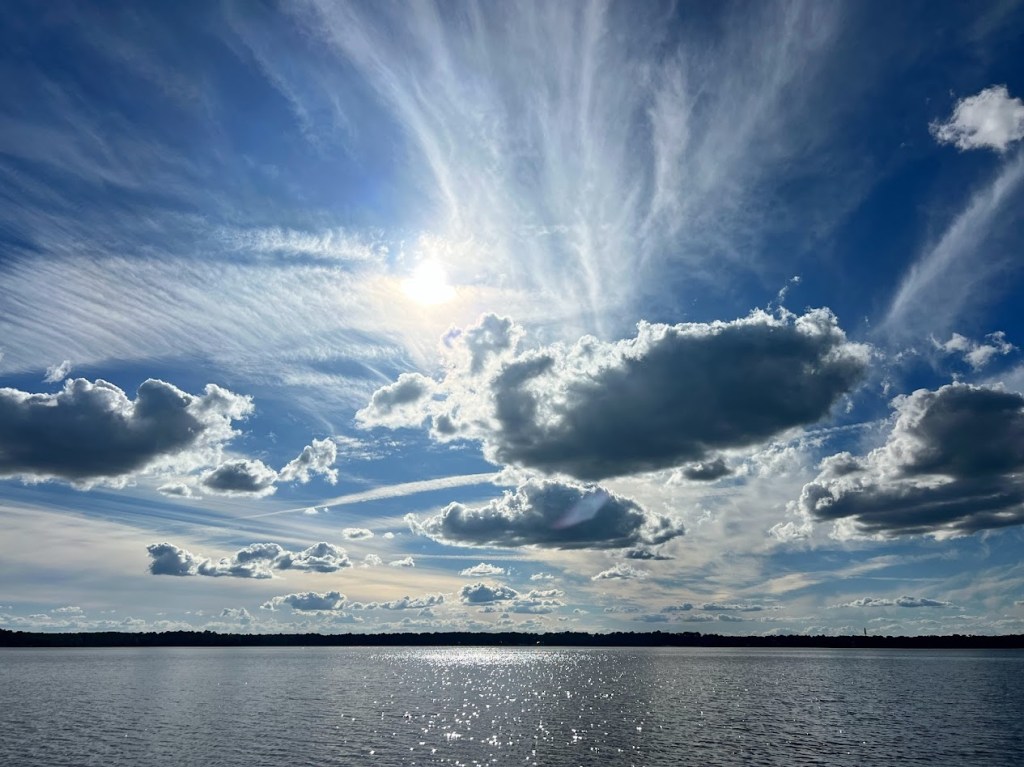
With everything being said, fingers being pointed, blame casted, and parties found guilty until proven innocent. Who has looked in the mirror to exonerate their own innocence in this crime against nature. How many rain barrels are attached to your gutter system, if you have a gutter, to aid in water retention and prevent storm water runoff. Is your landscape a barren monoculture of sod and weeds, regularly scalped with military precision, providing zero shade or diversity of plants which increase animal diversity, along with mitigating wind, noise, and CO2. Are your soils building any biology derived from a healthy landscape which increase soil’s ability to retain water and CO2. What purchases inside the home have been made to reduce single use plastics, reduce water consumption and save energy. Homeowners in the state of Florida must take responsibility starting in their house, and yard. Doug Tallamy the co-founder of Homegrown National Park speaks and has written books that validate if every home owner in America would dedicate half their lawn space to a biodiverse planting it would create 20 million acres of new Park space which would be the largest park system in the country. This doesn’t mean you can just never cut the grass in you back yard and hope for the best. Converting the landscape will take a diligent effort and consultation of professionals to make your landscape part of the solution.
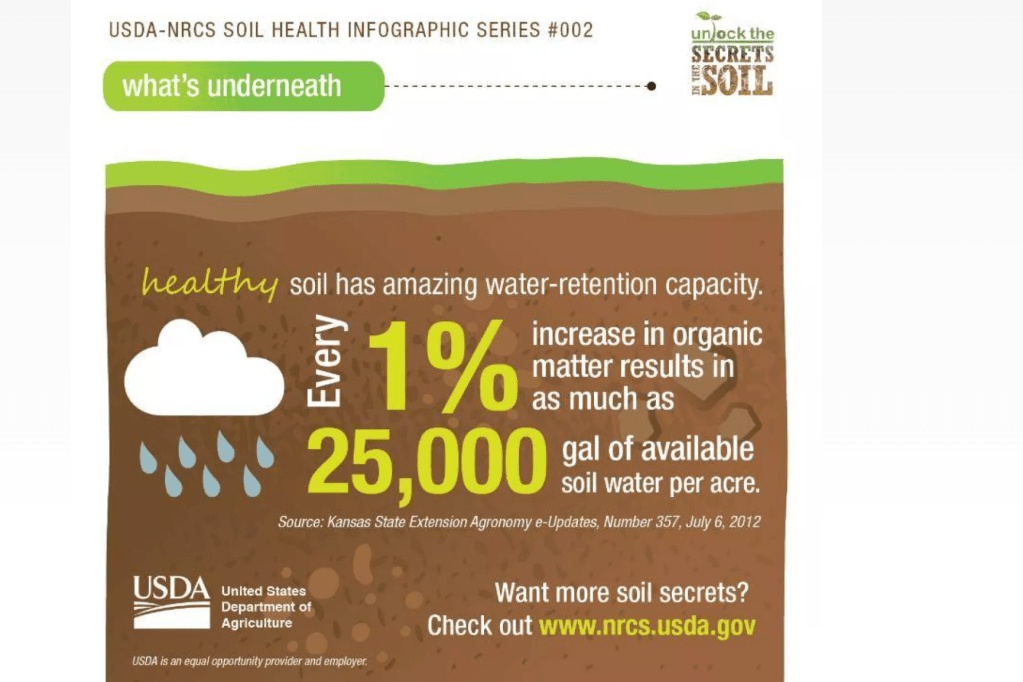
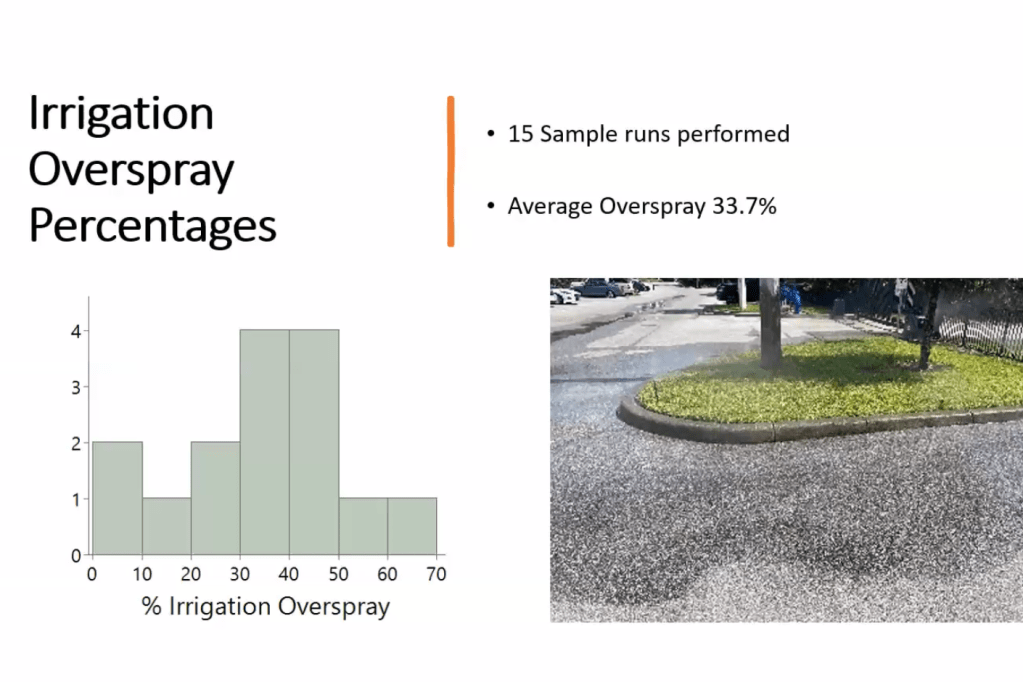
SWFWMD & UF/IFAS have posted studies that show the number one way to keep our water clean is to prevent storm runoff from ever reaching the waterways. This would be the most natural way to handle cleaning our water. Development of vacant land into impervious surfaces like rooftops and concrete creates the most storm water runoff. This means your roof and the water exiting your property possesses the biggest threat to clean water. Your effort to keep water on your property is the fastest and best solution. This doesn’t mean digging a pond to hold it but rather increase the plant diversity and soil health to retain the water. Homeowners should be the first to blame for storm water runoff and pollution. Homeowners with septic tanks older than 5 years old that have not been inspected for leaks are the most guilty when it comes to pollution and boosting Cyanobacteria in the water ways. FAU did a study that proved the majority of Blue Green Algae was fed by leaking septic systems, not fertilizer runoff. The issue of water quality starts with every single resident of Florida and their tenacity to execute the procedures that are proven to make a difference in their own landscape. Instructions in the recently revised Landscape Irrigation and Florida-Friendly Landscaping Design Standards document are a premium foundation to gauge where your landscape stands and needs to go.
Commercial Horticulture (Arboriculture, Nursery Production, IPM, and Landscapes/Ornamentals)University of Florida IFAS Extension — Palm Beach County
FNGLA certified professionals are the most qualified individuals to assist homeowners in their process of reducing water consumption and increase runoff retention in the landscape. The nuance of each home even in the same development is too complex to be effectively ruled over by the blunt direction of an HOA. Quickly accounting for basic differences in landscapes anyone can surmise the needs of a landscape will be different based on the following quick check list; which direction is the space facing, is it next to a highway, retention pond, preserve or another building, what is the slope of the land and porosity of the soil. No twenty-plant list preordained by an HOA can properly tend to this diversity of needs, and no self-respecting American should bow to these gardening Marxist guidelines. The very soul of owning a piece of property is to make it your own, to see it thrive and create a healthy and bountiful space for your family to enjoy. There is one organization to turn to when it comes to taking on these challenges.
Commercial Horticulture (Arboriculture, Nursery Production, IPM, and Landscapes/Ornamentals)University of Florida IFAS Extension — Palm Beach County
FNGLA is more than just an organization for professionals who promote and protect the future of Florida’s nursery and landscape industry. As Floridians find themselves in the wake of two major hurricanes, and there is only one field of tradesmen and women who are equipped to recover this state; nursery and landscape professionals. This state is renowned for its look, tourism, calming scenery and majestic landscapes. According to Florida Tax Watch, “In 2019, 131 million visitors spent nearly $100 Billion,” and an estimated “142 million tourists are expected to visit Florida in 2023.” These residents are staying at resorts, retreats, lush rentals with private back yards. The most iconic image of Florida, a palm tree on the beach. In many areas after the storm this no longer exists and it is up to the nursery men and women of the state to restore that image. The impact of a single wholesale nursery with less than 30 employees can generate nearly four million dollars in retail sales alone. Through the inventory and revenue by one nursery, it then spreads across the entire state. Anywhere between 20 – 50 retail garden centers will buy and resell those plants throughout Florida, employing hundreds if not thousands more employees. All of those plants will be installed at homes and businesses increasing property value and supporting trades, allied nursery companies with tools and plants care options also come into the picture. The end of the line will be the iconic locations like Disney and beach front resorts whose incredible landscape designs encourage tourists to spend their time and money in Florida. Nursery growers in this state are an ignition point of jobs, revenue, and sales. The economic impact created by nurseries out of practically thin air carries the weight of putting Florida back into action post Hurricanes Helene and Milton, a weight not taken lightly by industry professionals who have been hit hard by the storm. Some nurseries have lost their entire crop and are starting from zero, and it will take support from the public to reestablish them into the economic drivers they are.

The answers to Florida’s issues all land on the shoulders of the Florida Nursery Growers and Landscape Association. These members will recover our landscapes, bring the tourists back, restore our yards and piece of mind that gardening brings to us all. Gardening is proven to reduce stress and be therapeutic, as Florida resident are suffering from hurricane fatigue, gardening will be the calming embrace that start to make our homes whole again. Once the horticulture industry, through sweat and determination, pull start Florida’s economy back to life, they will solve the next great issue, water quality. There is no organization that is more in tune with the needs of the lands than FNGLA certified professionals. Backed with industry leading technology, science, and decades of firsthand experience who work literally in your backyard, no one is more qualified, and prepared to make big waves in the right direction for our water quality in this state.
-Written by John Taylor

 The Veranda View